The Striped Fish Thriving In Your Aquarium
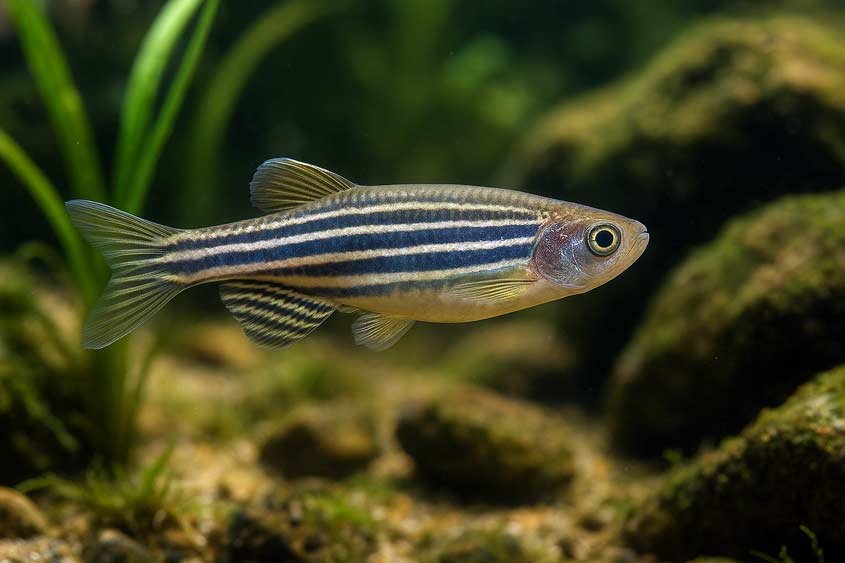
There’s something almost hypnotic about a small school of Zebra Danios darting back and forth in a tank—like living brushstrokes of silver and indigo. They’re quick, they’re curious, and, if you spend enough time watching them, you’ll start to notice they’re more expressive than you’d think a fish could be. A flick of the tail here, a sudden swerve there—it’s like they’re carrying on some rapid-fire conversation in a language you’ll never quite crack.
| FISH PROFILE | |
|---|---|
| Fish | Zebra Danio |
| Binomial Name | Danio rerio |
| SCIENTIFIC CLASSIFICATION | |
| Kingdom | Animalia |
| Phylum | Chordata |
| Class | Actinopterygii |
| Order | Cypriniformes |
| Family | Cyprinidae |
| Subfamily | Danioninae |
| Genus | Danio |
| Species | D. rerio |
| Varieties | Leopard Danio, Longfin Danio, Albino Danio, Golden Danio |
| ENVIRONMENT | |
| Living Environment | Freshwater |
| Found in | South Asia: India, Pakistan, Bangladesh, Nepal, and Myanmar |
| Space Requirement | At least 10 gallons (38 liters) for a small school |
| Average Lifespan | 3–5 years |
| Exceptional Cases | Up to 6 years with optimal care |
| Length | 2–2.5 inches (5–6.5 cm) |
| Weight | ~0.3–0.4 g |
| Temperature | 18–24 °C (64–75 °F) |
| pH | 6.5–7.5 |
| PERSONALITY | |
| Temperament | Peaceful, active swimmers |
| Social Behaviour | Highly social; best kept in schools of 5 or more |
| Diet | Omnivore |
| Food Type | Flakes, pellets, live or frozen foods (daphnia, brine shrimp, bloodworms) |
| KEY FACTORS AFFECTING LIFESPAN | |
| Enclosure / Tank size | Minimum 10 gallons for a small group; overcrowding can cause stress and disease |
| Habitat / Water quality | Clean, well-filtered water with stable parameters; moderate current preferred |
| Diet | Balanced diet of varied foods to maintain color and health |
| Companions | Compatible with other peaceful community fish; avoid large or aggressive species |
| Temperature / Environment stability | Tolerant of cooler temperatures but avoid sudden fluctuations |
| CARE DIFFICULTY | |
| Difficulty Level | Easy; hardy and adaptable |
| Messiness | Low; minimal waste, regular weekly water changes recommended |
| Additional Requirements | – Reliable filtration system – Moderate water flow – Open swimming space and plants for shelter |
| Special Notes | Excellent choice for beginners; active and hardy; can be kept in unheated tanks if room temperature is stable within their range. |
For decades, aquarists have been calling Zebra Danios “beginner fish,” and in a sense, that’s true—they’re hardy, forgiving, and adaptable enough to survive a few rookie mistakes. But that label does them a disservice. To me, Zebra Danios aren’t just starter fish—they’re the spark that ignites a lifelong obsession with the aquatic world. Many seasoned fishkeepers, myself included, still keep them around, not out of nostalgia but because they genuinely bring life to a tank in a way few species can.
Table of Contents
Part of their charm is their energy. These fish don’t just swim—they move like they’ve got somewhere important to be, zipping through open water, weaving between plants, always in a loose little gang. And it’s not just for show; their behavior in your tank often echoes their wild origins in the streams and rice paddies of South Asia. They’re built for fast water, for dodging predators and chasing food, and they bring that restless vitality right into your living room.
Of course, if you want them to thrive—and not just survive—you’ve got to give them more than a glass box and some tap water. The truth is, while Zebra Danios can endure less-than-ideal setups, they’ll only reveal their full colors, personality, and longevity if you take the time to create the right environment. That means knowing what makes them tick: their social habits, their dietary needs, the little details of water chemistry that can make them shine.
So, if you’ve ever thought of them as “just” a hardy little schooling fish, I’d like to challenge that idea. Stick with me through this guide, and you’ll see the Zebra Danio for what it really is—a sleek, resilient, endlessly fascinating creature that deserves as much attention as the flashiest, most delicate tropical fish out there.
Understanding the Zebra Danio
Appearance and Color Patterns
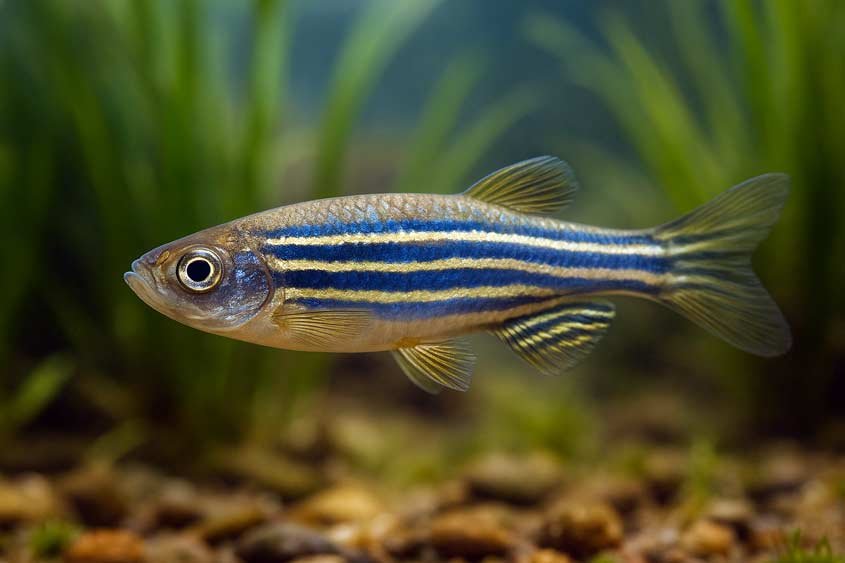
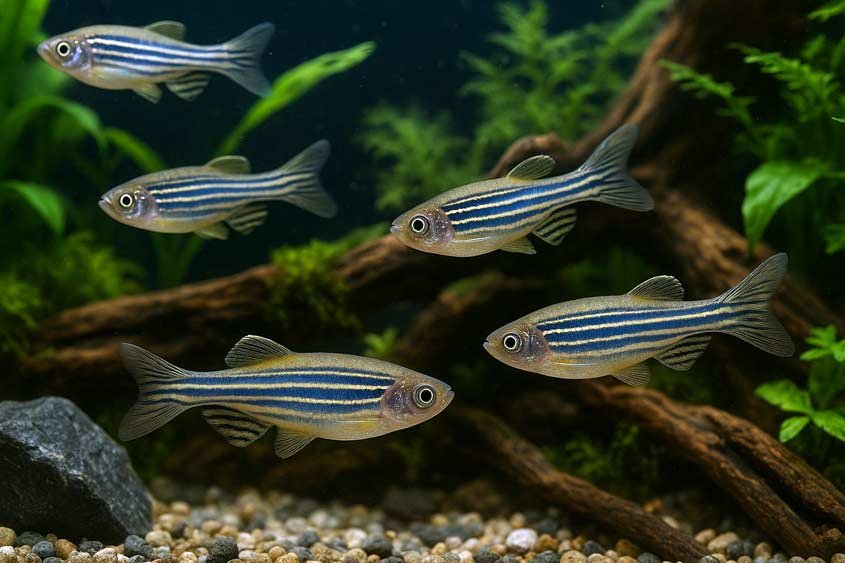
Zebra Danios are the kind of fish you can spot from across the room. Those horizontal blue-violet stripes against a silvery-gold body aren’t just decoration—they’re a survival tool, breaking up the fish’s outline in the wild so predators have a harder time singling them out. In a home aquarium, though, that striping becomes a thing of beauty, especially when the light hits them just right and the blue almost glows.
You’ll find several varieties out there—long-finned types that trail delicate streamers, golden morphs with cream-and-butter tones, even genetically modified “GloFish” versions that light up like tiny neon signs. But the classic Zebra Danio, the one with sharp stripes running from gill to tail, still has the most charm in my book. They’re sleek, streamlined, and built for speed. Watch closely and you might notice that when they’re excited—maybe at feeding time—their colors seem to intensify, like someone just cranked up the contrast.
Natural Habitat and Behavior
In the wild, Zebra Danios are native to freshwater streams, ponds, and rice paddies across India, Bangladesh, and Nepal. These waters are often shallow, fast-moving, and full of plant life. That background explains a lot about how they behave in captivity—they’re always on the move, and they prefer open space for swimming combined with spots to dart into if they feel threatened.
What’s fascinating is how quickly they adapt. A well-fed Zebra Danio in a clean tank will settle right in, but they never quite lose that alert, quick-reflex nature. If you’ve got a mix of fish in your aquarium, you’ll often see the Danios acting like the tank’s unofficial patrol squad, always cruising, always keeping tabs on what’s going on.
Social Nature
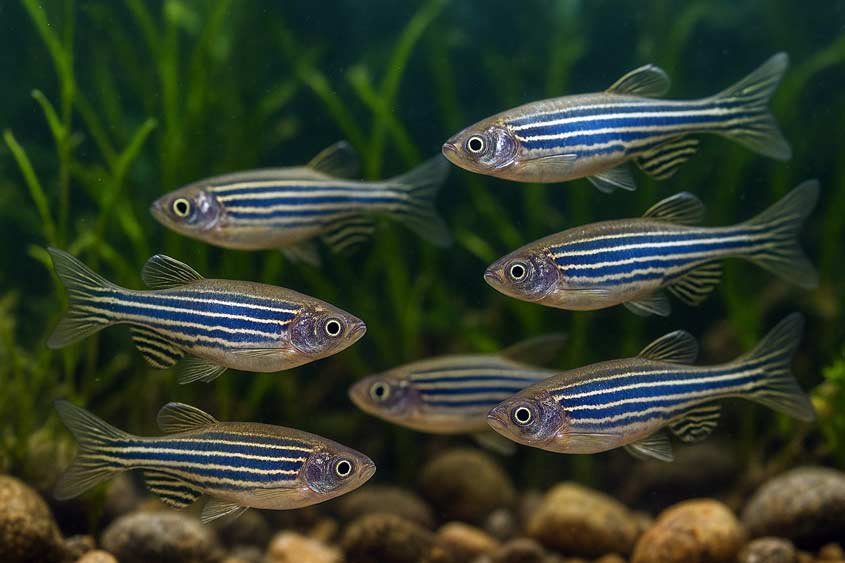
Zebra Danios are textbook shoaling fish. Alone, they can get skittish or even nippy, but put them in a group of six or more and you’ll see their real personality shine. They zip around together, sometimes splitting into smaller clusters, sometimes moving as one. There’s a subtle hierarchy in there—one or two individuals tend to lead the group—but it’s fluid, almost like a dance.
And here’s something to keep in mind: they’re peaceful, but they’ve got a mischievous streak. They’re fast enough to outswim more aggressive tankmates, but they’ll sometimes sneak a nip at a slow-moving fish’s fins just out of curiosity. It’s rarely harmful, but it’s a reminder that, despite their small size, they’re not exactly wallflowers.
Essential Care for a Healthy Zebra Danio
Tank Setup and Water Parameters
If you’ve heard someone say “Zebra Danios will live in anything,” they’re only telling half the story. Sure, they can survive in less-than-ideal conditions, but survival isn’t the same as thriving. Give them a proper setup and you’ll see a completely different fish—colors brighter, movements sharper, and a lot less stress in their behavior.
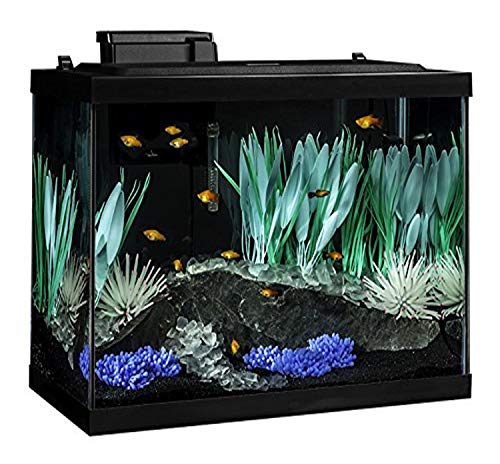
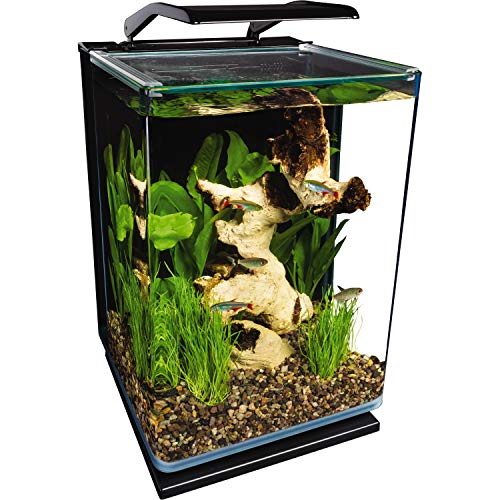
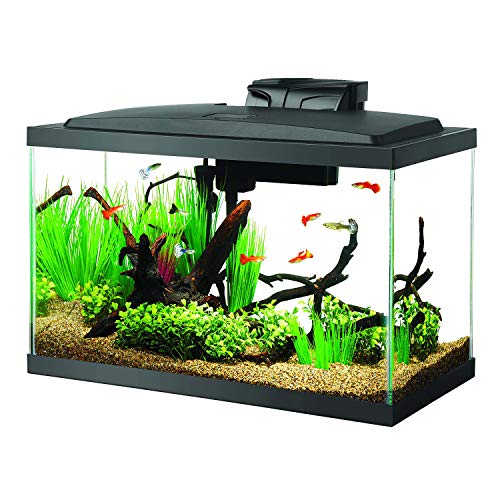
Start with the tank size. People love to cram them into tiny starter kits, but honestly, a group of six or more needs at least a 20-gallon tank if you want them to swim like they’re meant to. They’re built for speed, so the longer the tank, the better. A long, rectangular aquarium mimics their natural open-water runs.
Water parameters? Think tropical, but not too warm—between 64–75°F (18–24°C) is their sweet spot. They’re remarkably tolerant of cooler water compared to a lot of tropical fish, which makes them flexible in community setups. Keep the pH between 6.5 and 7.5, and aim for moderate hardness. A decent filter with steady flow is a must—they come from streams, remember—and the extra current will encourage their natural swimming patterns.
Plants are a bonus, not just for looks but because they give the Danios something to weave through. Mix tall, grassy plants like Vallisneria with open space for cruising. And for substrate, it doesn’t matter much to them, but dark gravel or sand makes their stripes pop.
Feeding and Diet
Feeding Zebra Danios is almost comical—they’re like tiny torpedoes the second food hits the water. They’re not picky eaters, but variety is your friend if you want healthy fish. A good-quality flake or micro pellet forms the base, but add in frozen or live treats like daphnia, brine shrimp, or bloodworms and you’ll see them light up.
They’re surface to mid-water feeders, so don’t waste too much money on sinking foods. And here’s a tip: feed small amounts twice a day rather than dumping in a huge meal once. They burn a lot of energy zipping around, but leftover food just fouls the water. Plus, smaller feedings let you enjoy watching them hunt and snatch bites—it’s like a miniature feeding frenzy every time.
Maintenance Routine
Zebra Danios are hardy, but that’s not a license to slack on maintenance. Weekly water changes—20–30%—keep the chemistry stable and the water crystal clear. Their energy levels and colors often improve right after a water change, almost as if they’re thanking you for the fresh flow.
Clean your filter media when it starts to clog, but don’t overdo it—rinsing in tank water preserves the beneficial bacteria. Keep an eye on plant health too; decaying leaves can spike ammonia levels if ignored.
If you’ve set things up right—good water flow, stable parameters, and a balanced diet—you’ll find your Zebra Danios almost never get sick. But “almost” isn’t “never,” so watch for signs like frayed fins or clamped posture. They’re quick to show when something’s wrong, and quicker still to recover if you catch it early.
Fascinating Facts About Zebra Danio
Breeding and Egg-Laying
If you’ve ever woken up to find your aquarium looking like it’s snowing tiny, translucent specks, you might have stumbled into a Zebra Danio spawning session. These fish are prolific breeders—sometimes without you even trying. Give them the right conditions—slightly warmer water, good food, and a safe spawning area—and they’ll scatter eggs like confetti.
They’re egg-scatterers, which means they don’t guard their eggs. Quite the opposite—they’ll happily eat them if they can. In the wild, this strategy works because eggs end up hidden in plants or gravel. In a tank, though, it’s the aquarist’s job to either separate the adults or use a spawning grid to keep the eggs out of reach.
The fry hatch in about 2–3 days and start swimming soon after. They’re tiny, fragile things at first, feeding on infusoria or powdered fry food before graduating to baby brine shrimp. Raising them can feel like a juggling act, but there’s nothing quite like watching a cloud of miniature Zebras grow into sleek, striped adults.
Hardy Yet Sensitive
This might sound contradictory, but Zebra Danios manage to be both tough and delicate, depending on the situation. They can survive wide swings in temperature and water chemistry—one reason they’ve been used for years as “cycling fish” in new tanks. But that resilience hides a truth: long-term stress, poor water, or bad diet will wear them down fast.
It’s like saying a person can live on fast food for a year—possible, yes, but not exactly thriving. Treat them well, and they’ll reward you with years of active, vibrant life. Neglect them, and they’ll fade—literally and figuratively.
Their Role in Science
Here’s where Zebra Danios get interesting. Beyond the aquarium trade, they’re stars in the world of biomedical research. Scientists use them to study genetics, development, and even human diseases, because their embryos are transparent and develop rapidly. In fact, they’ve contributed to breakthroughs in areas ranging from cancer research to heart regeneration.
It’s a strange feeling, knowing the same fish zipping around in your living room might be helping scientists unravel some of life’s biggest mysteries. It also says something about their adaptability—they’re at home both in a glass tank in your house and under a microscope in a high-tech lab.
More Than Just a Beginner’s Fish
Zebra Danios might be small, but they have this knack for making themselves the center of attention. They’re not flashy in the same way as a discus or a betta, but they’ve got that certain spark—an energy and charm that keeps you glancing back at the tank. I’ve kept fish that cost ten times more, and still, the Danios are often the ones I catch myself watching the longest.
Maybe it’s their constant movement, maybe it’s those racing stripes, maybe it’s just that they seem alive in a way that’s hard to fake. Whatever it is, they remind you that even the so-called “beginner fish” can be endlessly rewarding if you give them what they need. And what they need isn’t complicated—space to swim, clean water, a varied diet, and the company of their own kind.
They’re also great equalizers in the hobby. Whether you’ve been keeping aquariums for three months or thirty years, Zebra Danios will fit right in. They don’t sulk in the corner when you change the decor, they don’t vanish when you add new tankmates, and they don’t need you to hover over them every day. They just get on with the business of being fish—darting, exploring, chasing—and in doing so, they make your tank feel alive.
If you’ve overlooked them in favor of something rarer or more exotic, maybe it’s time to give them another look. You might just find, like I did, that the humble Zebra Danio ends up being the fish you measure all the others against. And that’s not such a bad legacy for a little striped swimmer from the streams of South Asia.
Best Seller Products On Amazon*