Discover the Charm of Lovebirds
Lovebirds. Even saying the name out loud makes you feel something warm and fuzzy, doesn’t it? These tiny parrots, no bigger than a large apple, carry an energy and charm that seems entirely disproportionate to their size. It’s almost unfair how such little creatures can capture the attention and affection of anyone who crosses their path. But that’s exactly what they do—they charm, they entertain, they bond… and they sometimes, just sometimes, drive you a little bit crazy in the most delightful ways.
| BIRD PROFILE | |
|---|---|
| Bird | Lovebird |
| Binomial Name | Agapornis spp. |
| SCIENTIFIC CLASSIFICATION | |
| Kingdom | Animalia |
| Phylum | Chordata |
| Class | Aves |
| Order | Psittaciformes |
| Family | Psittaculidae |
| Subfamily | Psittaculinae |
| Genus | Agapornis |
| Species | Spp. (multiple species within genus) |
| Varieties | Peach-faced, Fischer’s, Masked, Black-collared, Nyasa, N/A |
| ENVIRONMENT | |
| Living Environment | Terrestrial; aviaries and indoor cages |
| Found in | Sub-Saharan Africa; different species native to distinct regions |
| Space Requirement | Minimum cage 24″x24″x24″ per pair; daily flight encouraged |
| Average Lifespan | 10–15 years in captivity |
| Exceptional Cases | Up to 20 years under ideal care |
| Length | 5–7 inches (13–17 cm) |
| Weight | 40–60 grams |
| Temperature | 65–80 °F (18–27 °C) |
| PERSONALITY | |
| Temperament | Playful, affectionate, energetic, social |
| Social Behaviour | Strong pair bonding; thrives in pairs or small groups |
| Diet | Herbivore / Omnivore |
| Food Type | Seeds, pellets, fruits, vegetables, leafy greens |
| KEY FACTORS AFFECTING LIFESPAN | |
| Enclosure / Cage | Adequate cage size required; overcrowding leads to stress and aggression |
| Habitat / Water quality | Clean drinking water essential; regular cage cleaning recommended |
| Diet | Balanced nutrition critical; seed-only diets can cause malnutrition |
| Companions | Best kept in compatible pairs or small groups; avoid aggressive species |
| Temperature / Environment stability | Sensitive to drafts and rapid temperature changes; stable moderate climate preferred |
| CARE DIFFICULTY | |
| Difficulty Level | Moderate |
| Messiness | Moderate; produces droppings frequently; food scatter common |
| Additional Requirements | – Toys and enrichment for mental stimulation – Perches of various sizes – Daily social interaction – Regular cage cleaning and fresh water |
| Special Notes | Highly social; needs bonding and attention to prevent boredom and stress-related behaviors |
If you’ve ever watched a pair of Lovebirds snuggling together, preening each other’s feathers with that intense focus, you know why they got their name. These birds aren’t just affectionate—they’re obsessive about it. It’s a whole little universe of connection happening in a cage that might fit in your living room. And if you’re lucky enough to interact with them, they’ll extend some of that affection to you, cautiously at first, then with growing confidence until you’re practically part of their flock.
Table of Contents
There’s something inherently fascinating about Lovebirds that makes people keep coming back. Maybe it’s their bright, jewel-toned plumage. Maybe it’s their rapid-fire chirps that can sound like a miniature orchestra tuning up. Or maybe it’s the way they carry themselves—confident, curious, and surprisingly bold for creatures that could fit in the palm of your hand. They’re small, yes, but don’t mistake that for fragility. Lovebirds are robust little parrots, bursting with personality and spunk.
When you first bring a Lovebird home, you might be struck by the way they explore every corner of their cage, inspecting toys, nibbling on perches, and darting around as if they’re on a tiny mission. They’re not just cute; they’re clever. Observing them is like watching a little mind at work, constantly assessing, solving, and occasionally, pulling off minor mischiefs that will leave you laughing and shaking your head. You might find a shredded piece of paper on the cage floor or a seed scattered in places you didn’t even know existed. That’s not carelessness—it’s intelligence and curiosity manifesting in a very feathery, very lovable form.
And then there’s the social side. Lovebirds aren’t solitary creatures. In the wild, they live in flocks, and that natural sociability translates seamlessly into domestic life. A single Lovebird will thrive with interaction—be it with another bird or a dedicated human companion. But keep in mind, these birds are not passive pets. They want attention, stimulation, and engagement. They’re like little feathered toddlers with a dash of sass, reminding you every day that life is meant to be vibrant, playful, and sometimes a little loud.
You might wonder why people are drawn to Lovebirds despite the commitment they require. And honestly, it comes down to that spark of personality. These birds are honest little beings—they don’t hide their moods, they don’t feign affection, and they absolutely make their preferences known. When they like you, you feel it. When they’re annoyed, you feel it. It’s an unfiltered connection that’s rare in the world of pets, and it can be profoundly rewarding if you’re ready to meet them on their terms.
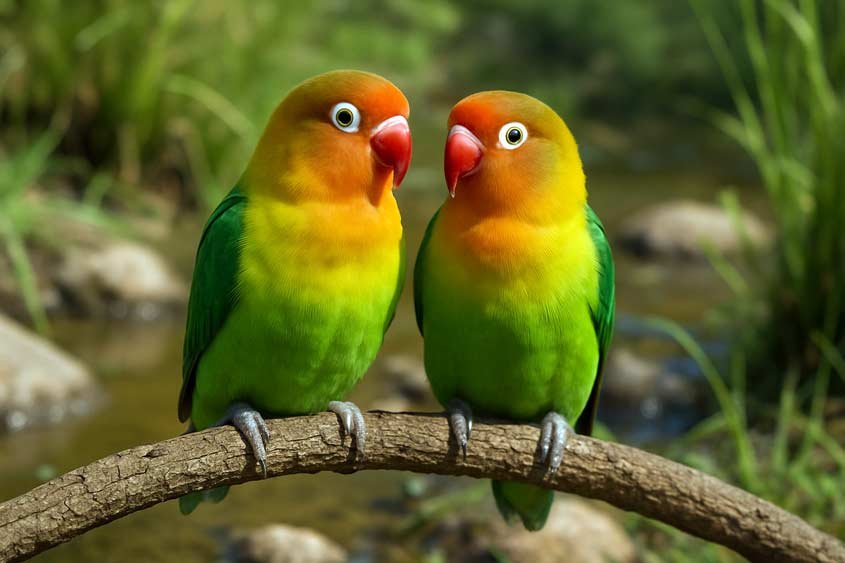
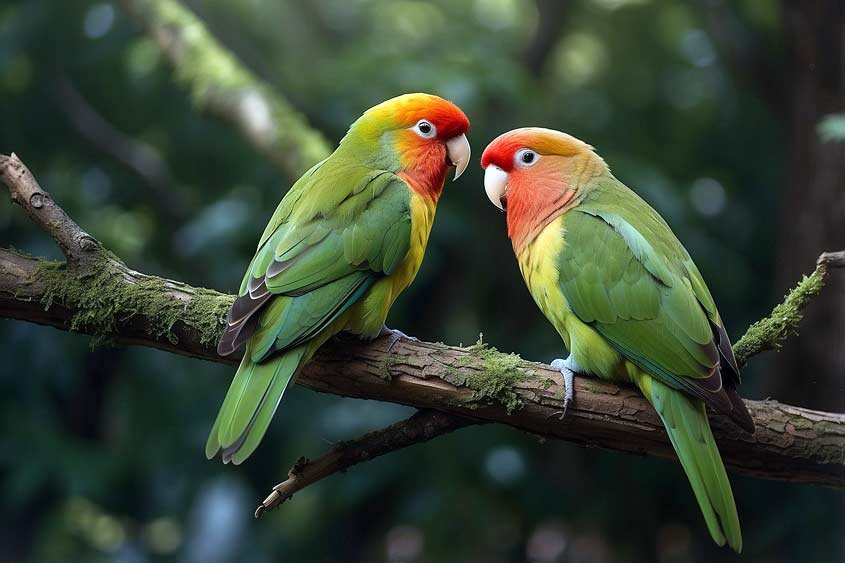
Visually, Lovebirds are a wonder. Their plumage can range from soft pastel shades to bold, striking contrasts that make them look almost otherworldly. Peach-faced Lovebirds sport rosy cheeks that glow against emerald green bodies, while Fischer’s Lovebirds can exhibit a dazzling mix of blues, yellows, and oranges. Even among domesticated color mutations, there’s an endless variety that keeps breeders and enthusiasts endlessly fascinated. Watching them preen or flutter around is like seeing a miniature rainbow come to life, each movement deliberate, each flick of a tail feather almost like a brushstroke in a living painting.
But perhaps the most captivating thing about Lovebirds isn’t how they look—it’s how they feel to live with. The experience of caring for them, of earning their trust, of listening to their lively chatter and watching their tiny dances, creates a bond that’s difficult to describe. They remind you that joy can be concentrated in small packages, that life’s simplest pleasures—like a chirp, a nuzzle, or a shared moment of curiosity—can mean the world.
Below, we’re going to explore every facet of Lovebirds. We’ll dive into their colorful varieties, their fascinating personalities, the nuances of their social lives, and what it really takes to give them a happy, healthy home. We’ll talk food, play, enrichment, and health—the essentials that keep these little dynamos thriving. And yes, we’ll also share some insider tips that only come from spending countless hours observing their antics, misadventures, and tender moments.
So, whether you’re a long-time bird enthusiast, a first-time pet owner, or just someone who can’t resist the charm of these feathery love machines, buckle up. Lovebirds might be tiny, but they pack enough heart, humor, and color to fill a room, and maybe even your life, with delight. Are you ready to meet them up close and personal? Because once you do, there’s no going back. They’ll have a piece of your heart—probably forever.
The Colorful World of Lovebirds
When it comes to Lovebirds, the first thing anyone notices is their color. And why wouldn’t they? These tiny parrots are like living gemstones, each one shimmering with a palette so vibrant it makes a painter jealous. From soft pastels to fiery reds and electric blues, Lovebirds aren’t just birds—they’re miniature works of art, strutting around in feathers that seem designed to brighten your day.
But let’s start at the beginning: the species. Lovebirds aren’t just one monolithic kind of bird. There are nine recognized species in the genus Agapornis, each with its own personality quirks and color profiles. The most familiar to pet owners are usually:
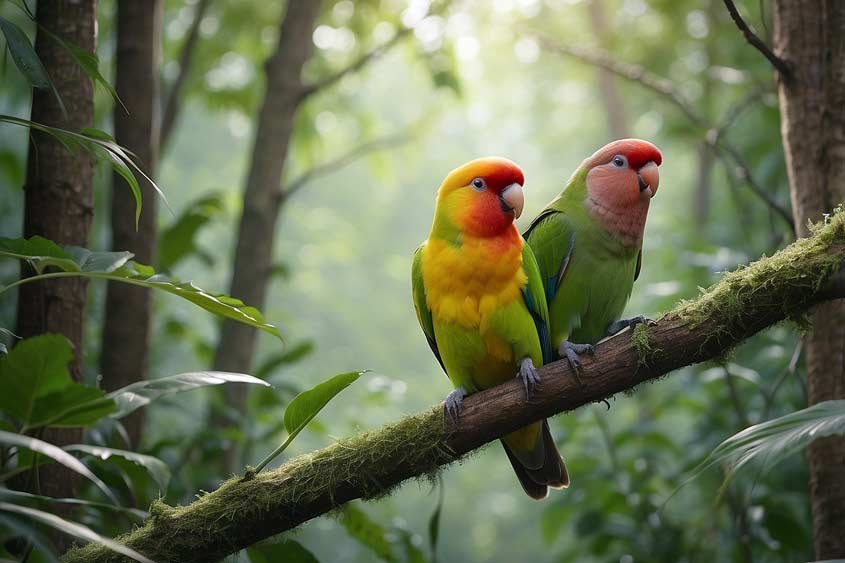
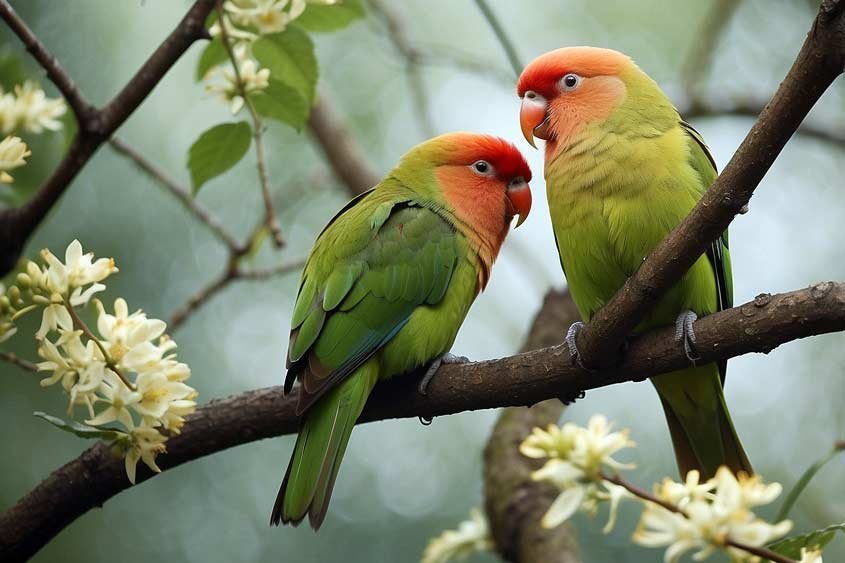
- Peach-faced Lovebirds (Agapornis roseicollis) – These are the most popular by far. With their rosy faces, bright green bodies, and blue rump feathers, they’re the quintessential Lovebird you’ll see in aviaries and pet stores. They’re lively, social, and a little mischievous—the true poster children of the Lovebird world.
- Fischer’s Lovebirds (Agapornis fischeri) – Slightly smaller than the Peach-faced, these birds sport a vivid green body, orange face, and bright yellow chest. They’re energetic, curious, and have a slightly more reserved personality compared to the Peach-faced variety, but they still love companionship.
- Masked Lovebirds (Agapornis personatus) – Famous for their black “masks” and bright yellow collars, Masked Lovebirds are a striking sight. They can be a little more territorial, so socialization is key, but their unique appearance makes them irresistible.
And that’s just scratching the surface. There are also species like the Black-cheeked, Nyasa, Red-headed, Lilian’s, Black-collared, and Abyssinian Lovebirds, each with subtle differences in size, coloration, and behavior. For an enthusiast, this diversity is thrilling—you could spend years studying them and still discover little quirks that make each species special.
Color mutations add another layer of fascination. Breeders have worked over decades to create a rainbow of possibilities. You might find Peach-faced Lovebirds in cobalt blue, pastel yellow, albino white, or even a mix of shades that seem almost surreal. Fischer’s Lovebirds can appear in turquoise, cinnamon, or pied variations that make them look like they’ve been dipped in paint. For the hobbyist, collecting these color mutations becomes an obsession, but it’s also a joy: there’s always a new shade to marvel at, a new pattern to fall in love with.
Beyond color, their physical traits are charming in their own right. Lovebirds are small—usually between 5 and 7 inches long—but don’t let that fool you. Their bodies are sturdy, compact, and surprisingly muscular for their size. Their wings are agile, allowing them to flutter, hop, and occasionally perform those rapid, acrobatic flights that make you gasp in delight. Their tails, short and rounded, flick constantly as they move, almost like a feathered metronome keeping time with their boundless energy.
And then there’s the beak—the classic parrot curve, perfect for cracking seeds, climbing, and occasionally giving you a gentle nib when they’re feeling playful or affectionate. Their eyes are sharp and expressive, glinting with curiosity and intelligence. Spend enough time with a Lovebird, and you’ll swear they’re reading your thoughts—or at least plotting how to distract you so they can sneak another bite of your favorite fruit.
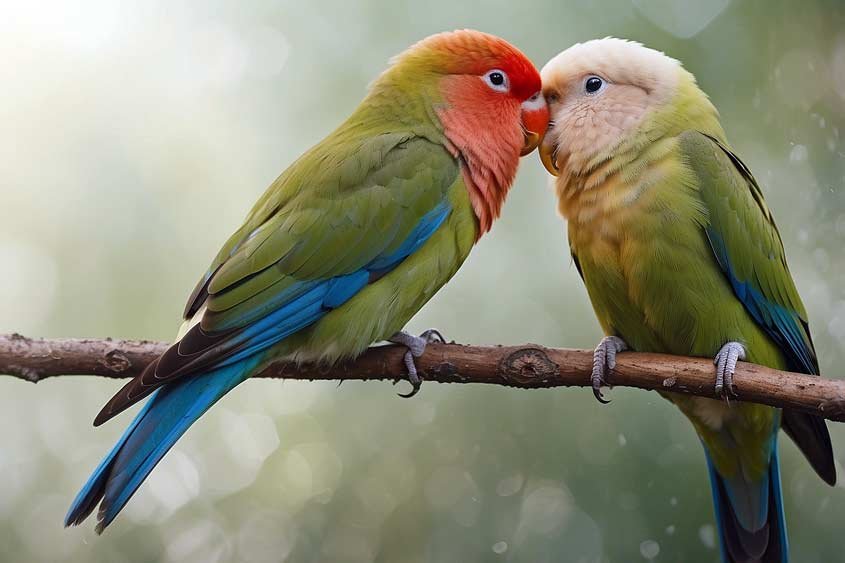
Speaking of which, Lovebirds are also tactile. They preen obsessively—not just themselves but each other, too. Watching two Lovebirds groom each other is like seeing a perfectly synchronized dance. Feathers fluffed, beaks working in tandem, heads tilted at odd angles—it’s both hilarious and heartwarming. And this preening behavior isn’t just about cleanliness; it’s their way of expressing trust, care, and social bonding.
Interestingly, the variation in color and species also reflects tiny differences in behavior. For example, Peach-faced Lovebirds tend to be more outgoing and adventurous, while Masked Lovebirds can lean toward caution, especially around new companions or objects. Fischer’s Lovebirds often display an endearing mix of curiosity and wariness—they’ll watch you from afar before deciding whether you’re safe enough to approach. And once they do, they can be utterly devoted, forming bonds that are as deep as they are charming.
If you’re considering keeping Lovebirds, understanding this diversity is essential. You might pick a species based on appearance, or perhaps their temperament, or even the color mutation that simply steals your heart. Whatever the reason, there’s no denying that their beauty is inseparable from their personality. You don’t just admire Lovebirds—they pull you in, make you engage, make you laugh, and often, make you shake your head at their sheer audacity.
And that’s the beauty of this colorful world: it’s as much about what you see as what you feel. The flash of red on a Peach-faced Lovebird’s head, the emerald shimmer of its wings, the tiny spark of mischief in its eye—it all combines into a living, breathing experience that’s hard to forget. Some people collect stamps, some people grow orchids, but Lovebirds? Lovebirds bring life, joy, and a little chaos into your home—and who wouldn’t want that?
So as we move forward, remember this: each Lovebird is unique, a tiny marvel of color, strength, and personality. Their visual appeal is just the beginning. The real magic lies in watching them move, interact, and live their lives with a boldness that somehow feels larger than their diminutive size. Welcome to the colorful, chaotic, endlessly fascinating world of Lovebirds—you’re about to get to know them a little closer, and trust me, it’s worth every chirp, flutter, and squawk.
Personality and Social Life
If there’s one thing that truly defines Lovebirds, it’s their personality. Calling them “feisty” barely scratches the surface. These little parrots are bold, curious, affectionate, and sometimes downright sassy. They carry themselves with confidence, fluttering through life with a mix of mischief and charm that can make even the most stoic observer smile. Spend an hour with them, and you’ll quickly realize that Lovebirds are more than pets—they’re tiny companions with opinions, emotions, and a flair for theatrics.
Bonding with Each Other
The name “Lovebird” isn’t just a cute marketing ploy. It reflects a deep truth about their social nature: these birds thrive on close bonds, especially with their own kind. In the wild, Lovebirds live in flocks where relationships are everything. They preen each other, snuggle together, and often mirror each other’s behavior in ways that can feel surprisingly human. Pair a bonded pair in a cage, and you’ll witness something remarkable: constant attention, gentle grooming, and a loyalty that seems to say, “You’re my person… or at least my bird.”
Watching two Lovebirds interact is like observing a living love story unfold in miniature. They communicate constantly—chirping, squeaking, or even tapping their beaks lightly on each other’s feathers. Preening isn’t just hygiene; it’s intimacy. And don’t be fooled by their size: these tiny birds are intense. When they form a pair, it’s not casual; it’s a full-on emotional investment. Separating bonded Lovebirds can be stressful for them, so it’s always best to understand their social needs before deciding on housing arrangements.
Pairing isn’t just about companionship—it’s about personality reinforcement. A shy Lovebird might gain confidence by living with a bolder mate, while an overly energetic bird might benefit from a more measured partner to keep them grounded. The social dynamics within the cage are constantly shifting, and as an observer, it’s endlessly entertaining. You might notice subtle rituals: one bird presenting a leaf to the other, a synchronized head tilt, or a playful chase around the perches. These behaviors are all part of their social repertoire, a testament to their intelligence and emotional depth.
Interaction with Humans
Now, let’s talk about humans. Lovebirds are affectionate—but on their own terms. Unlike some other parrots that seem almost designed to cuddle on command, Lovebirds are a little more… selective. They’ll warm up to you gradually, testing the waters with gentle chirps, cautious hops onto your finger, or brief preening gestures. Earn their trust, however, and you’ll find that they can be wonderfully interactive. Some Lovebirds even develop unique “rituals” with their favorite humans: a morning greeting chirp, a playful nuzzle when you enter the room, or a tiny dance on their perch to grab your attention.
It’s important to remember that Lovebirds are intelligent and curious, which can sometimes translate into mischief. They’ll explore your hair, nudge your glasses, or investigate the tiniest corners of your home if you let them out of the cage. It’s not destruction—it’s curiosity, learning, and social engagement. And yes, they can be feisty: a Lovebird feeling neglected or overstimulated may squawk, nip, or dart around in protest. But this is part of their charm—it’s communication, a little drama that keeps life interesting.
Lovebirds are also playful. Offer them a mirror, a small bell, or a colorful toy, and you’ll witness acrobatics, chases, and head-tilting stunts that seem almost comical in their intensity. They enjoy interaction not just with objects, but with you. You become part of their social ecosystem, a participant in games, routines, and bonding moments. And for those who invest time and attention, the rewards are immense: a Lovebird that trusts you is a little feathered friend with endless personality, intelligence, and affection.
Tips for Socialization
Building a strong human-bird relationship requires patience, observation, and respect. Here are a few practical tips:
- Start slowly: Don’t overwhelm them with sudden handling. Allow the bird to explore you first.
- Offer treats: Millet sprays, small pieces of fruit, or favorite seeds are powerful tools for bonding.
- Observe their body language: Fluffed feathers, tail flicks, and chirp variations communicate mood—read them carefully.
- Be consistent: Daily interaction builds trust, even if it’s just 10–15 minutes of focused attention.
- Respect their boundaries: If a Lovebird seems stressed or hesitant, step back and let them approach on their own terms.
By following these steps, you can develop a meaningful relationship with a Lovebird. They’re not pets you can ignore or handle carelessly; they’re intelligent, emotionally rich creatures who respond to care, attention, and empathy. And when that trust is earned, it’s magical. You’ll find a tiny parrot perched confidently on your shoulder, chirping softly as if sharing a secret, or playing gently with your fingers in a game that’s all their own.
Unique Personalities
Finally, it’s worth noting that Lovebirds, like people, have individual personalities. Even within the same species or color mutation, no two Lovebirds are alike. Some are daring explorers, hopping from perch to perch with unstoppable curiosity. Others are contemplative, observing the world from a cozy corner of the cage. Some are chatty and loud, filling the room with energetic chatter. Others are more reserved, choosing quiet companionship over constant activity. This individuality is part of their charm—and part of the reason why keeping Lovebirds is so endlessly fascinating.
In the end, the personality and social life of Lovebirds is what makes them truly unforgettable. Their bonds with each other and with humans reveal an emotional depth that belies their small size. They’re clever, affectionate, mischievous, and completely engaging. Life with Lovebirds is never dull—every day brings a new chirp, a playful chase, or a tiny demonstration of their love and loyalty. And if you’re open to it, these little parrots will teach you more about companionship, patience, and joy than you might ever expect.
Setting Up the Perfect Lovebird Home
If Lovebirds are tiny dynamos of personality, then their home is the stage where all that energy, curiosity, and charm comes to life. Setting up the perfect environment isn’t just about aesthetics—it’s about creating a space that keeps them healthy, stimulated, and happy. Because let’s face it, a bored Lovebird is a mischievous Lovebird, and while that can be entertaining, it can also lead to stress or behavior issues if their environment isn’t up to par.
Cage Size and Placement
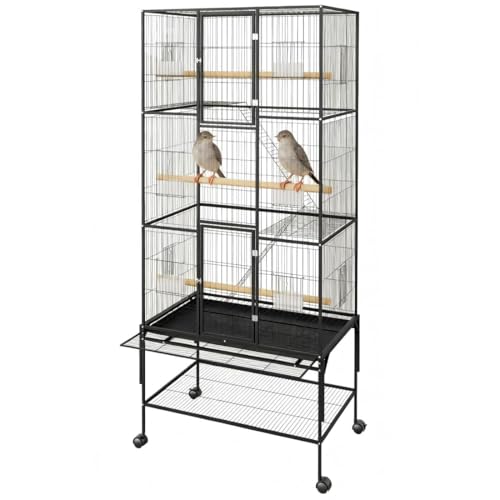
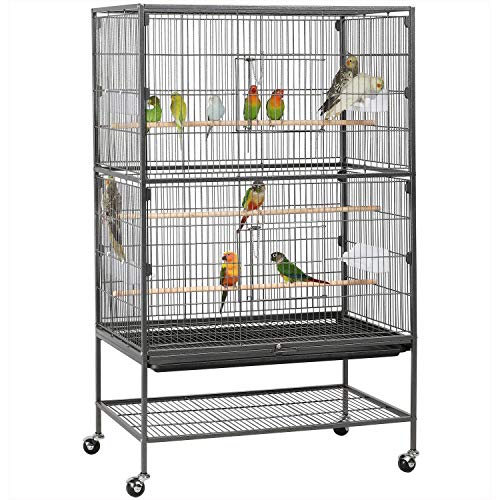
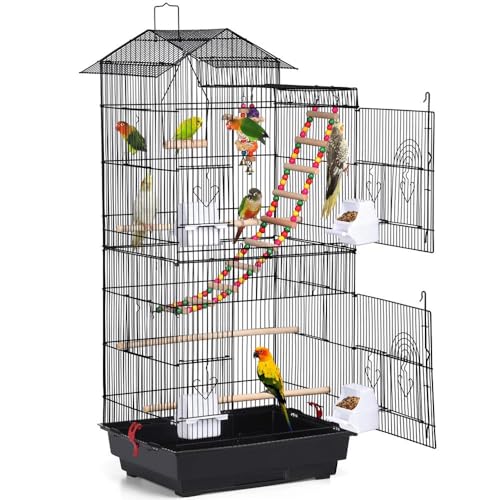
First things first: the cage. Don’t underestimate the importance of space. Lovebirds are small, yes, but they are incredibly active. They need room to flap, hop, climb, and explore without bumping into the walls—or worse, each other if you keep a pair. A cage that’s too small will quickly feel like a prison, leading to frustration and feather-plucking.
- Minimum size: For a single Lovebird, aim for a cage that’s at least 18 inches wide, 18 inches deep, and 24 inches tall.
- For pairs: Bigger is better. A pair needs room to fly short distances, exercise, and maintain their social dynamics without feeling cramped.
- Bar spacing: Keep it between ½ inch and 5/8 inch to prevent escape or injury.
Placement is just as crucial. Lovebirds are social birds—they want to be where the action is. A living room corner or an area where they can watch household activity is ideal. But avoid drafty windows, direct sunlight all day, or noisy appliances that might stress them out. They like to feel involved in the family “flock,” but they also need safe spots to retreat and rest.
Toys, Perches, and Enrichment
Lovebirds are playful, intelligent, and endlessly curious. A bare cage is a recipe for boredom. Enrichment isn’t optional—it’s essential for their well-being. Think of toys, perches, and climbing structures as mental and physical workouts rolled into one.
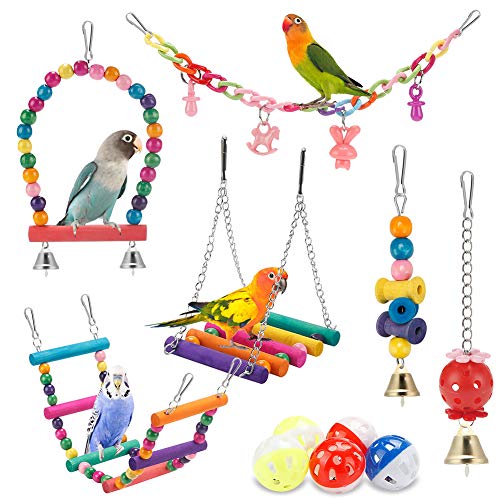
- Toys: Offer a mix of chewable toys, swings, bells, and puzzle toys. Rotate them periodically to keep things interesting. A Lovebird discovering a new toy for the first time is a joy to watch—they hop, nibble, shake, and sometimes even carry it around like a prized possession.
- Perches: Variety is key. Use natural wood perches, rope perches, and different diameters to encourage healthy feet and exercise. Avoid sandpaper perches—they can be abrasive and hurt their delicate feet.
- Foraging opportunities: Hide treats in paper cups, leafy greens, or small boxes. This engages their problem-solving skills and mimics natural behaviors in the wild.
The goal is to create a stimulating, dynamic environment. A Lovebird’s cage should feel like a miniature jungle gym—climbing, swinging, exploring—and not a sterile metal box. The more variety you provide, the happier, healthier, and more well-adjusted your bird will be.
Safety Considerations
Safety is non-negotiable. Lovebirds are small, inquisitive, and fearless, which can sometimes land them in precarious situations if their cage or environment isn’t secure.
- Cage bars: Make sure they’re smooth and free of sharp edges.
- Materials: Avoid toxic paints or treated woods. Lovebirds love to chew, and you don’t want them ingesting anything harmful.
- Toys: Check for loose strings or small parts that could be swallowed.
- Room hazards: If you let them out for supervised flight, remove fans, open windows, toxic plants, and small objects they might chew on.
Lovebirds are surprisingly adept at finding trouble—think of them as tiny, feathered detectives—but with proper precautions, you can keep them safe while still letting them explore.
Daily Routines and Interaction
A Lovebird’s home is more than just the cage—it’s the daily routines and interactions that make it thrive. These birds crave consistency and engagement.
- Morning: Offer fresh water and food, then spend a few minutes interacting with your bird. A short session of gentle handling, talking, or letting them perch on your finger can start the day on a positive note.
- Daytime: Ensure they have toys to explore and safe areas to fly if supervised. Rotate perches and toys regularly to keep them stimulated.
- Evening: Remove uneaten perishable food, offer fresh water, and dim lights to encourage rest. Lovebirds sleep better in a quiet, slightly darker environment.
- Social time: Even if your bird has a cage mate, daily interaction with humans is important. This helps them stay tame, social, and mentally healthy.
One little trick many Lovebird owners swear by is creating “activity zones” within the cage. One area might have swings and climbing ropes, another a foraging station, and yet another a cozy corner for rest. The bird can move between zones, choosing what to engage with depending on mood or energy level. It’s simple, but it transforms the cage into a dynamic, interactive environment.
Setting up the perfect Lovebird home is a blend of space, safety, enrichment, and routine. Lovebirds are intelligent, energetic, and emotionally rich creatures—they deserve a home that reflects that. A well-thought-out environment isn’t just about aesthetics; it’s about giving your feathered friend the mental and physical stimulation they need to thrive.
Remember: a happy Lovebird is a busy Lovebird. Give them toys, climbing opportunities, safe exploration, and consistent social interaction, and you’ll find a bird that’s not only beautiful to look at but endlessly entertaining and deeply affectionate. Their cage isn’t just a home—it’s their stage, playground, and sanctuary all in one.
And if you do it right, you’ll witness something magical: a tiny parrot, full of heart, exploring every corner, discovering new toys, and occasionally hopping onto your shoulder to remind you, in the most insistent little chirp, that life is best when shared.
Diet and Health Essentials
Feeding a Lovebird might seem simple at first glance—you toss in some seeds, maybe some fruit, and call it a day. But anyone who’s spent more than a few weeks with these tiny parrots quickly realizes that diet isn’t just fuel—it’s a cornerstone of their health, behavior, and personality. The right nutrition can turn a grumpy, plucked featherball into a vibrant, energetic companion, while poor choices can lead to illness, lethargy, or worse. So, let’s dig into what keeps these little dynamos thriving.
A Balanced Diet
Lovebirds are omnivorous, but in captivity, their diet requires careful planning. Seeds alone? Not enough. A seed-only diet is like giving a human nothing but chips and cookies—it may taste good, but it won’t provide the nutrients they need to flourish. Instead, a balanced diet should include:
- Pellets: Formulated Lovebird pellets are a great base because they contain essential vitamins and minerals. Think of them as the nutritional backbone of the diet.
- Seeds: Offer seeds in moderation. Millet, sunflower, and canary seeds are favorites, but too much can lead to obesity. Variety is key.
- Fresh fruits and vegetables: Apples, carrots, bell peppers, spinach, and berries are excellent choices. Wash them thoroughly, chop into bite-sized pieces, and rotate them regularly.
- Occasional treats: Small amounts of cooked eggs or legumes can be a protein boost. Use sparingly, though—Lovebirds have a sweet tooth for millet sprays, and it’s easy to overdo it.
A well-balanced diet doesn’t just keep feathers shiny and energy high—it supports their immune system, brain function, and even mood. Ever notice how a well-fed Lovebird seems more curious, playful, and affectionate? That’s no coincidence.
Water: The Unsung Hero
Fresh water is critical, yet sometimes overlooked. Lovebirds drink a surprising amount of water for their size, and they’re incredibly sensitive to contamination. Change their water at least once daily, clean the bowl thoroughly, and make sure it’s at room temperature. Avoid additives unless prescribed by an avian vet—these tiny birds are delicate, and even minor chemical exposure can cause problems.
Common Health Concerns
Lovebirds are hardy, but they’re not immune to health issues. Being small, active, and fast-moving, they can hide symptoms until problems become serious. Some common concerns include:
- Feather plucking: Often a sign of stress, boredom, or nutritional deficiency. Providing enrichment and a balanced diet usually helps, but persistent plucking warrants a vet visit.
- Respiratory issues: Sneezing, wheezing, or labored breathing can indicate infections or poor air quality. Keep their cage clean, avoid drafts, and seek veterinary care if symptoms appear.
- Obesity: Overfeeding seeds or lack of exercise can lead to weight gain. Encourage flight time, climbing, and foraging to keep them active.
- Psittacine beak and feather disease: A viral infection affecting feathers and immune function. Early detection and isolation are crucial to prevent spread.
Being observant is key. Know your bird’s normal behavior, appetite, and droppings. Any sudden change can be a subtle sign of illness—don’t wait for obvious symptoms.
Signs of Stress or Illness
Lovebirds are emotional creatures. Stress can manifest in a variety of ways:
- Feather ruffling, plucking, or dullness
- Reduced vocalization or lethargy
- Loss of appetite
- Aggression or sudden fearfulness
If you notice these signs, check their environment first: cage size, enrichment, social interaction, temperature, and diet. Sometimes, minor adjustments make a huge difference. If issues persist, it’s time for a professional evaluation.
Tips for Keeping Lovebirds Healthy
- Routine checkups: A vet specializing in avian care should examine your Lovebird at least once a year. Early detection of health issues is critical.
- Clean environment: Regularly clean the cage, toys, and perches. Bacteria and mold can wreak havoc on a small bird’s system.
- Enrichment: Mental stimulation isn’t just fun—it’s health insurance. A busy Lovebird is a happy, stress-free, healthier Lovebird.
- Observe eating habits: Keep an eye on what they’re eating and how much. Sudden changes are a red flag.
- Safe supplements: Use vitamins or mineral supplements only when recommended by a vet. Over-supplementing can be harmful.
A healthy Lovebird is an active, vibrant, and affectionate companion. Nutrition, clean water, environmental enrichment, and attentive observation are the pillars of their well-being. These tiny parrots may be small, but their metabolism is high, their energy levels are intense, and their health depends on a combination of proper diet, exercise, and care.
Imagine your Lovebird hopping around the cage, tail flicking, eyes bright, exploring a new toy, or performing that hilarious little acrobatic leap—every movement is a reflection of good health. Provide the right fuel, space, and attention, and your Lovebird will reward you with endless charm, affection, and delightful antics. Neglect any part of their care, and you’ll see it reflected in behavior, feathers, and energy. The stakes may be small in size, but they’re huge in importance.
Lovebirds aren’t just pets—they’re companions who thrive on balance. Feed them well, watch them closely, and provide a stimulating environment, and you’ll find yourself living with a little parrot that’s bursting with energy, intelligence, and heart. There’s a reason these tiny birds have captured the affection of enthusiasts worldwide—they’re a daily reminder that joy, vibrancy, and personality can come in the smallest packages.
Why Lovebirds Steal Hearts Everywhere
By now, you’ve probably noticed a recurring theme: Lovebirds are small, but they are mighty. Tiny parrots with huge personalities, they demand attention, inspire affection, and occasionally drive you a little bit crazy—but in the best way possible. And maybe that’s why so many people fall head over heels for them. They’re not just pets; they’re living reminders that charm, intelligence, and emotional depth can come in the tiniest packages.
Think back to the first time you watched a Lovebird. Perhaps it was hopping energetically across its perch, tail flicking like a little metronome, or leaning in for a gentle preen with its mate. Maybe it chirped a rapid-fire greeting the moment you walked into the room, as if to say, “Finally, you’re here!” That combination of curiosity, boldness, and affection is rare in the animal world—and it’s what makes Lovebirds so irresistible.
It’s not just about their antics, though those are endlessly entertaining. Lovebirds offer a genuine emotional connection. They bond deeply with their mates, and with patient, consistent humans, they can extend that same loyalty and affection to you. It’s not a love that’s given lightly. It’s earned, nurtured, and reciprocated in the form of chirps, gentle nibbles, head tilts, and those tiny dances that somehow manage to convey so much. Owning a Lovebird isn’t passive—it’s participatory. You’re involved in a relationship with a sentient, intelligent creature whose joy, curiosity, and mischief are infectious.
And let’s not forget their color. A cage full of Lovebirds is like a miniature rainbow in motion. Peach-faced Lovebirds flash red and green, Fischer’s shimmer in yellow, orange, and turquoise, and Masked Lovebirds bring bold contrasts that make the eyes widen in delight. But the beauty isn’t just skin-deep. Every vibrant feather, every quick flick of the tail, every glint of curiosity in the eye tells you something about the bird’s personality and mood. You quickly realize that observing them is more than entertainment—it’s an ongoing study in emotion, social behavior, and intelligence.
Caring for Lovebirds also teaches patience, empathy, and observation. These are birds that respond to their environment, social interaction, and diet. Neglect or inconsistency shows, and so does attention, love, and proper care. The way they thrive—or falter—under your watchful eye is a reflection of your commitment. That’s why the journey of owning Lovebirds feels so rewarding. It’s not just about providing food and water—it’s about engaging with an intelligent, emotional, and highly social creature every day.
Of course, they have their quirks. They’re mischievous, stubborn, and sometimes loud in ways that make you laugh, groan, or shake your head. You might find a shredded piece of paper, a toppled perch, or a seed scattered across the cage floor. That’s part of their charm. It’s a reminder that these tiny birds are not just ornaments—they’re active participants in your household, full of personality and free will. And really, isn’t that part of the joy of having a pet? To share your life with a creature that surprises, entertains, and teaches you something new every day?
For those ready to commit, Lovebirds are endlessly rewarding. They show affection in small but meaningful ways, from shared grooming sessions to gentle pecks on your fingers. They engage your senses: the bright colors, the lively chirps, the soft rustle of feathers as they preen or flutter about. They invite observation, curiosity, and interaction, creating a bond that is both emotional and intellectual. Living with Lovebirds is not a quiet companionship—it’s a vibrant, dynamic partnership with a tiny creature that has a lot to teach about joy, affection, and personality.
In the end, why do Lovebirds steal hearts everywhere? Because they encapsulate so many things we value in life: connection, vibrancy, curiosity, and love. They remind us that even small creatures can have big personalities, deep emotional bonds, and the power to transform a home into a lively, joyful space. They are affectionate, clever, colorful, and endlessly entertaining—a combination that’s hard to resist.
So if you’re considering welcoming a Lovebird into your life, know this: it’s not just a pet you’re bringing home. It’s a companion, a tiny partner in curiosity and mischief, and a vibrant little heart that will add color, joy, and personality to every day. Treat them well, provide a balanced diet, a stimulating environment, and plenty of affection, and you’ll find that Lovebirds are not just charming—they’re unforgettable.
And maybe that’s the real magic. These tiny parrots prove that it doesn’t take size to make an impact. With a flutter of wings, a chirp of curiosity, and a snuggle with their mate, Lovebirds leave an impression that lasts far longer than their small stature might suggest. They steal hearts, not with grandeur, but with intimacy, playfulness, and authenticity—a reminder that sometimes, the smallest things can bring the biggest joy.
Owning Lovebirds is a journey, not a hobby. It’s filled with laughter, learning, and a little chaos—but in the best possible way. These birds will test your patience, inspire your fascination, and reward your care with affection that feels larger than life. And after all, isn’t that exactly what a perfect little companion should do?
Best Seller Products On Amazon*