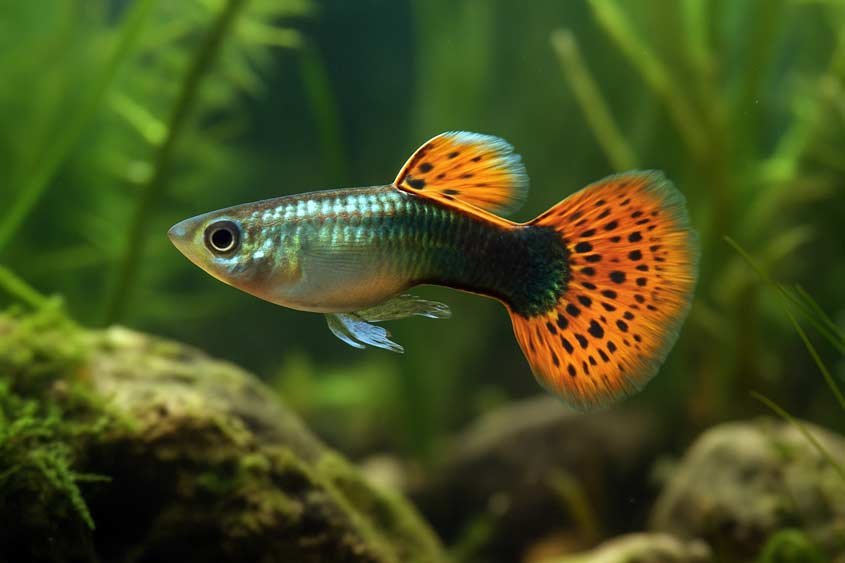
Guppy Fish Basics – Origins, Types, and Behavior
When it comes to tropical freshwater fish, few species manage to combine beauty, personality, and sheer adaptability quite like the Guppy Fish. These little swimmers are practically the poster children for beginner aquarists, yet anyone who spends a bit of time observing them quickly realizes there’s more going on than just a splash of color in a tank. From their fascinating evolutionary history to their vibrant personalities and seemingly endless variety, Guppies are much more than a cute face.
| FISH PROFILE | |
|---|---|
| Fish | Guppy Fish |
| Binomial Name | Poecilia reticulata |
| SCIENTIFIC CLASSIFICATION | |
| Kingdom | Animalia |
| Phylum | Chordata |
| Class | Actinopterygii |
| Order | Cyprinodontiformes |
| Family | Poeciliidae |
| Subfamily | N/A |
| Genus | Poecilia |
| Species | reticulata |
| Varieties | Endler’s Guppy, Fancy Guppy, Delta Tail, Swordtail Guppy, Mosaic Guppy, Tuxedo Guppy |
| ENVIRONMENT | |
| Living Environment | Freshwater |
| Found in | South America, primarily in Venezuela, Brazil, and Trinidad |
| Space Requirement | Minimum 10 gallons for small groups |
| Average Lifespan | 2–3 years |
| Exceptional Cases | Up to 5 years |
| Length | 1.5–2.5 inches (4–6 cm) |
| Weight | 1–3 grams |
| Temperature | 72–82 °F (22–28 °C) |
| pH | 7.0–8.0 |
| PERSONALITY | |
| Temperament | Peaceful, active, social |
| Social Behaviour | Thrives in groups; prefers multiple males and females to reduce aggression |
| Diet | Omnivore |
| Food Type | Flakes, pellets, live foods (brine shrimp, daphnia), vegetables, algae |
| KEY FACTORS AFFECTING LIFESPAN | |
| Enclosure / Tank size | Adequate space prevents stress; overcrowding increases disease risk |
| Habitat / Water quality | Clean, filtered water is essential; regular water changes maintain health |
| Diet | Balanced diet prevents malnutrition and enhances coloration |
| Companions | Compatible with other peaceful tropical fish; avoid aggressive species |
| Temperature / Environment stability | Stable temperatures are critical; sensitive to sudden drops or spikes |
| CARE DIFFICULTY | |
| Difficulty Level | Easy |
| Messiness | Moderate; requires weekly partial water changes |
| Additional Requirements | – Well-filtered aquarium – Plants or hiding spots – Stable warm water – Regular water monitoring |
| Special Notes | Livebearer species; females give birth to 20–200 fry per batch |
Natural Habitat and Distribution
Guppy Fish, scientifically known as Poecilia reticulata, originally hail from the rivers, streams, and ponds of northeastern South America, particularly Venezuela, Brazil, and Guyana. Picture slow-moving tropical waterways, sun dappled and teeming with aquatic plants, algae, and insect larvae. That’s the environment that shaped the guppy’s adaptive nature. Over time, humans introduced them to hundreds of other countries—both intentionally, for mosquito control, and accidentally through the aquarium trade. Today, you’ll find them thriving in everything from pristine tropical streams to brackish estuaries, sometimes even in urban ponds.
What’s fascinating is how resilient they are. They can tolerate a range of water temperatures, pH levels, and hardness conditions. Some populations survive in brackish water where others would falter. This hardiness explains why they’re so widespread in captivity—they can adjust to the varying conditions we often provide in our home aquariums.
Table of Contents
Common Guppy Varieties and Colors
Walk into a fish store, and you’ll see a rainbow of guppies—long flowing tails, sparkling scales, and patterns that look almost hand-painted. Decades of selective breeding have created varieties that make a beginner’s head spin.
Some popular types include:
- Endler’s Guppies: Smaller, colorful, and highly active. Often mistaken for regular guppies, but they have distinctive neon patterns.
- Fancy Tail Guppies: Includes veil, delta, and lyretail varieties, each with unique tail shapes and flowing fins.
- Moscow Guppies: Known for their shimmering metallic colors and sleek bodies.
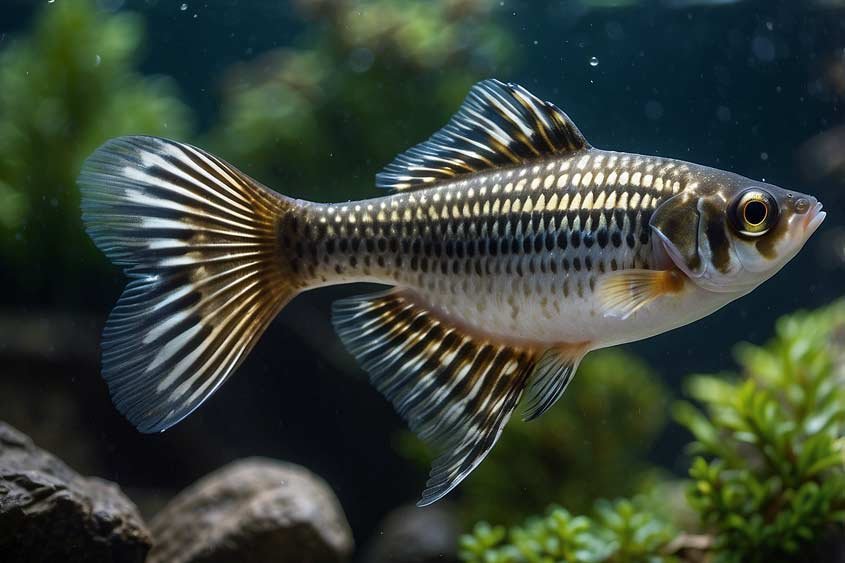
- Snakeskin Guppies: Complex patterns resembling the scales of a serpent, often multicolored.
- Tuxedo Guppies: A black “tuxedo” pattern covering the rear half of the body, contrasting sharply with bright heads and tails.
And that’s just scratching the surface. Every breeder seems to have a new pattern or fin variation to show off. But despite the endless combinations of color and tail type, all guppies share certain traits: small size, live-bearing reproduction, and an active, curious nature.
Personality and Social Behavior
What really sets Guppy Fish apart is their personality. They’re not shy or timid; in fact, they’re downright inquisitive. Drop your finger near the tank, and chances are they’ll swim right up to investigate. They’re playful, social, and often form small hierarchies in groups, with males performing elaborate courtship displays for females. Watching these displays is like having front-row seats to a tiny, underwater ballet.
Guppy males are the flamboyant show-offs. With their bright colors and flowing tails, they’ll chase each other, perform quick bursts of dance around females, and compete for attention like miniature tropical divas. Females, while more subdued in coloration, are equally fascinating. They exhibit a cautious intelligence—hovering near plants, grazing on algae, and sometimes even leading males on a merry chase just to test them.
Some subtle behavioral cues hint at their mood and health:
- Healthy and happy guppies: Active, bright colors, swimming confidently in mid- or upper-level water.
- Stressed guppies: Hiding constantly, faded colors, clamped fins, or erratic swimming.
- Curious guppies: Following your movements outside the tank or exploring new decorations.
It’s remarkable how much personality fits into a body barely longer than an inch. And the social dynamics are equally compelling—put a small group together, and you’ll notice them forming loose schools, darting together, and sometimes teasing each other in ways that seem almost playful.
Key Traits to Know
Here’s a quick snapshot of what makes guppies stand out:
- Size: Usually 1.5–2 inches, with males slightly smaller than females.
- Life Expectancy: 2–3 years on average, sometimes longer with ideal care.
- Diet: Omnivorous—algae, plant matter, tiny invertebrates in the wild; flakes, frozen food, and live foods in captivity.
- Reproduction: Livebearers, giving birth to fully formed fry. Females can store sperm and produce multiple broods from a single mating.
- Temperament: Peaceful, social, curious, and interactive with both humans and other fish.
All these traits combine to make guppies perfect for community tanks and beginner setups. But more than that, they reward attention and observation. Spend a few hours watching a well-stocked guppy tank, and you’ll notice behaviors you never expected—tiny bouts of competition, sneaky courtship strategies, and even protective movements toward fry.
Why It Matters
Understanding guppy origins, varieties, and behavior isn’t just trivia—it’s the first step toward being a good fishkeeper. Knowing their natural preferences helps you set up a tank that mirrors their environment, ensuring they thrive. Appreciating their social dynamics makes you more observant, helping you spot early signs of stress or illness. And recognizing their individuality turns a tank full of colorful fish into a small community with stories, personalities, and daily dramas unfolding before your eyes.
In short, guppies aren’t just pretty little swimmers. They’re resilient, curious, and endlessly fascinating. Once you get to know them, your aquarium stops being a static display and starts to feel alive, almost like a miniature tropical ecosystem, right there in your living room.
Setting Up the Ideal Guppy Fish Tank
If you ask any seasoned aquarist, they’ll tell you: half the fun—and half the challenge—of keeping Guppy Fish lies in setting up their tank. Get it right, and you’ve got a vibrant, dynamic little world full of color, activity, and life. Get it wrong, and you’ll have frustrated fish, cloudy water, and a headache that no amount of googling can fix. The good news? Guppies are forgiving little swimmers. With the right basics, they’ll thrive, and even a beginner can create a stunning, lively tank in no time.
Tank Size and Water Parameters
Let’s start with the obvious: space matters. Guppies are tiny, yes—but they’re active, social, and love to explore. A crowded tank isn’t just stressful; it’s unhealthy.
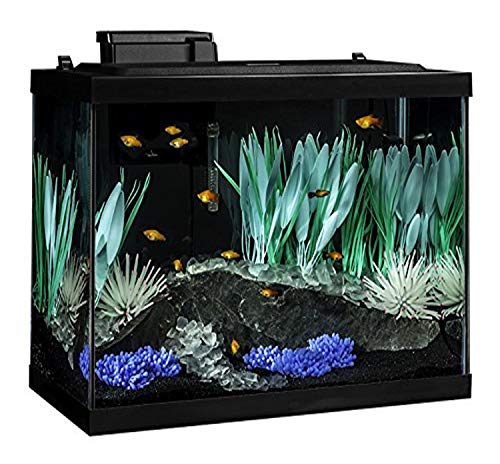
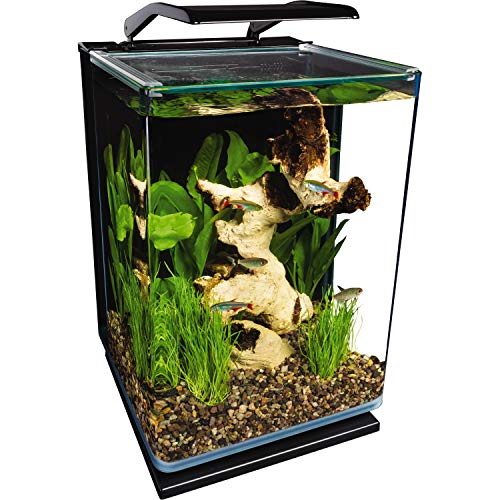
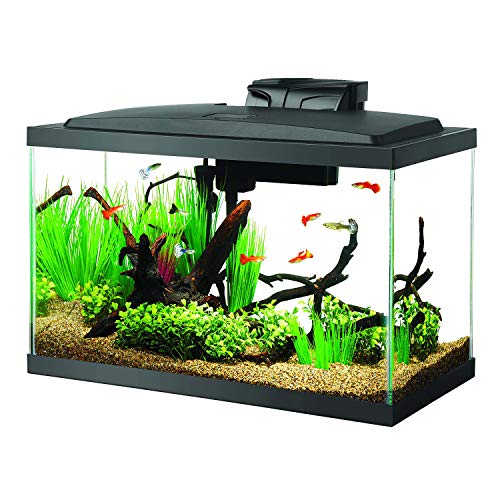
- Minimum tank size: 10 gallons for a small starter group (think 4–5 guppies), but I recommend 20 gallons or more if you want a thriving, colorful community.
- Temperature: Keep it stable between 72–82°F. Guppies can tolerate slight variations, but sudden changes stress them.
- pH level: Slightly alkaline, around 7.0–8.0, mimicking their natural tropical waters.
- Water hardness: Moderate to hard (10–30 dGH) helps maintain health and coloration.
One pro tip I’ve learned over the years: invest in a good thermometer and check it often. Guppies may be forgiving, but nothing beats a stable, predictable environment.
Plants, Decorations, and Substrate
Here’s where creativity meets biology. Guppies love tanks with plants, hiding spots, and open swimming areas. Strike a balance, and you’re giving them a natural playground that stimulates their instincts.
Plants:
- Java moss, hornwort, and floating plants like duckweed provide cover for fry and grazing spots for adults.
- Broad-leaved plants like Anubias or Amazon sword give females hiding places and reduce stress during spawning.
- Fine gravel or sand works best. Light-colored substrate makes their colors pop, while darker sand can create a more natural look.
Decor:
- Rocks, driftwood, or aquarium ornaments break sightlines and create territories.
- Don’t overcrowd—the guppies need open swimming lanes. They love to dart and weave between plants, so leave space for them to show off.
Here’s a little anecdote: I once set up a densely planted tank with too many ornaments. The guppies kept bumping into things, and the fry had nowhere to hide. After rearranging a few pieces and thinning out the plants, suddenly the tank felt alive. Guppies were zipping through open spaces, chasing each other, and exploring every nook. It’s amazing how much a few inches of swimming room can change their behavior.
Suitable Tank Mates
Guppies are peaceful, social, and generally easygoing, but they aren’t pushovers. Choosing the right tank mates ensures harmony and avoids unnecessary stress.
Good companions include:
- Other livebearers like platies, mollies, and swordtails
- Peaceful tetras, such as neon or cardinal tetras
- Bottom dwellers like cory catfish that keep the substrate clean
Avoid:
- Aggressive or fin-nipping species, such as barbs or some cichlids
- Very slow, long-finned fish that get bullied by male guppies
- Overcrowding, even with peaceful species, can lead to stress and disease
Essential Equipment Checklist
To create a thriving guppy tank, some equipment is non-negotiable:
- Filter: A gentle HOB (hang-on-back) or sponge filter. Guppies don’t like strong currents.
- Heater: Ensures stable tropical temperatures.
- Lighting: Bright enough for plants but not harsh. Guppies thrive with a natural day-night cycle.
- Test kits: Monitor pH, ammonia, nitrites, and nitrates. Stability is key.
- Gravel vacuum: To remove uneaten food and waste.
Optional but recommended:
- Aquarium cover or lid: Guppies are notorious jumpers.
- Breeding box or net: If you plan to raise fry safely.
Water Cycling and Maintenance
A mistake I see all too often is rushing to add fish before the tank is ready. Guppies are hardy, but they still need a cycled tank—a stable environment where beneficial bacteria handle ammonia and nitrites.
- Set up your tank and filter, then run it for 3–4 weeks with regular water tests before adding any fish.
- Change 10–20% of the water weekly to keep conditions pristine.
- Remove uneaten food promptly, and watch for cloudiness or algae blooms.
It sounds like a lot, but once you get into a routine, it’s almost meditative. And trust me—the payoff is a tank that’s not just livable but thriving.
The Joy of a Well-Set Tank
There’s something magical about watching guppies in a perfectly balanced tank. Males flash their colors during courtship, females navigate through plants with grace, and fry peek from mossy corners, tiny and fearless. A good setup transforms a simple aquarium into a miniature ecosystem, alive with interactions, curiosity, and personality.
Setting up the ideal guppy tank isn’t about perfection. It’s about giving them room to explore, clean water to thrive, and a safe, stimulating environment. Do it right, and your guppies won’t just survive—they’ll become a living, colorful spectacle you’ll want to watch for hours.
Feeding Guppy Fish – Diet and Tips
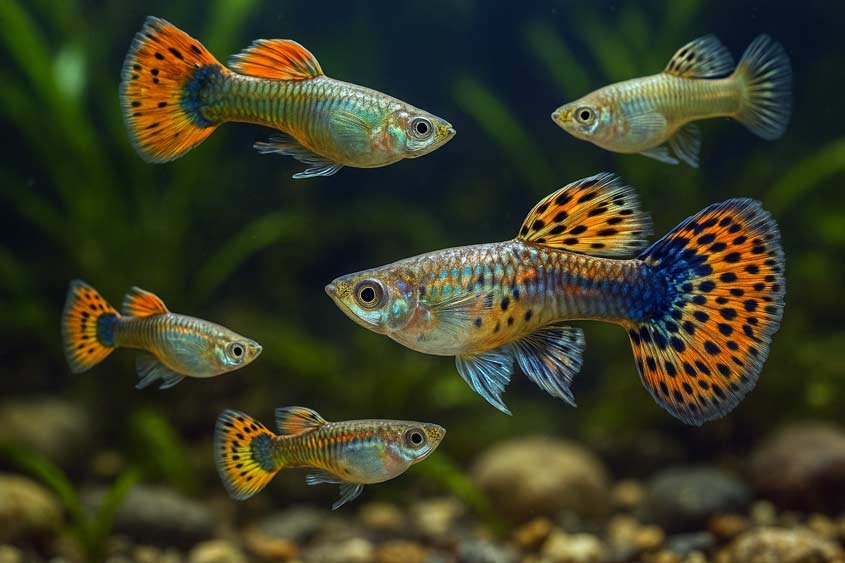
If there’s one thing you quickly learn about Guppy Fish, it’s this: they have appetites that could shame a tiny, scaly vacuum cleaner. Seriously, watch a group of males and females dart to the surface when you drop food in—it’s like a neon-colored feeding frenzy. But while they’ll eat almost anything, feeding them properly is a little more nuanced than just sprinkling flakes into the tank. Get it right, and your guppies will be colorful, active, and healthy. Get it wrong, and you’ll end up with bloated fish, cloudy water, and an aquarium full of frustration. Let’s break it down.
What Guppies Eat in the Wild
Understanding their natural diet is key to recreating a balanced feeding routine in captivity. In the wild, Guppy Fish are omnivorous opportunists. Their menu includes:
- Algae and plant matter: They graze constantly, scraping tiny bits of algae from rocks and leaves.
- Microinvertebrates: Tiny crustaceans, insect larvae, and protozoans provide protein for growth and energy.
- Detritus: Organic matter that drifts through the water, giving them a varied intake of nutrients.
This mix of plant-based material and protein is what keeps them vibrant and healthy. A diet too heavy in either side—just flakes or just live food—won’t give the same results.
Recommended Foods for Captivity
Here’s the good news: you can replicate that balance without catching insect larvae yourself. Guppies thrive on a mixed diet, and variety is the secret ingredient.
Staple Foods:
- High-quality flake or micro-pellets designed for tropical omnivores. Look for ones with spirulina or plant-based ingredients for that veggie boost.
- Freeze-dried or frozen daphnia or brine shrimp, offered a few times a week for protein.
Vegetables:
- Blanched zucchini, spinach, or peas (with skins removed). These help with digestion and mimic their natural grazing habits.
- Algae wafers can also supplement vegetable intake, especially in tanks with fewer live plants.
Occasional Treats:
- Live foods like bloodworms, mosquito larvae, or tubifex worms. These should be occasional, as over-reliance can cause digestive problems.
- Homemade gels or finely chopped vegetables mixed with protein sources can be fun for those who like DIY solutions.
A little story from my own tank: I dropped a tiny piece of blanched spinach into a guppy tank once, just to see what would happen. Within seconds, a colorful whirlwind of fins and tails surrounded it, nibbling at it from all directions. That’s when I realized: guppies aren’t just fish—they’re enthusiastic little plant-munching acrobats.
Feeding Schedule and Portion Tips
Guppies are natural grazers, so small, frequent meals are ideal. Overfeeding is the most common mistake beginners make, and trust me—it’s easier than you think to do it.
- Feed two to three times daily, only what they can finish in about two minutes.
- Rotate their diet: flakes, vegetables, and protein treats on different days.
- Watch for bloating, lethargy, or unusual swimming behavior. These can indicate overfeeding or poor digestion.
One trick that works wonders is controlled feeding: drop food in one spot in the tank. It concentrates their activity, prevents uneaten food from sinking and rotting, and makes it easier to monitor who’s eating what.
Foods to Avoid or Limit
Even though guppies are hardy, some foods can be harmful if overused:
- Overprocessed flakes with excessive fillers
- Fatty or protein-heavy treats fed too often
- Anything too large or hard to digest, which can cause choking or bloating
It’s tempting to “pamper” them with every new treat you see at the pet store, but moderation is key. Think of feeding as both nutrition and enrichment, not just a chance to watch a feeding frenzy.
The Benefits of Proper Nutrition
When guppies are fed the right diet, the difference is dramatic. Healthy, well-fed guppies:
- Show vivid colors that seem almost neon in bright tank light
- Are active swimmers, exploring the full height and width of the tank
- Exhibit strong breeding behavior, producing more robust fry
- Live longer, more energetic lives, with fewer health issues
I remember one tank that had dull-colored guppies despite a pristine setup. Once I introduced a mix of fresh vegetables and occasional live food, within a few weeks, their colors were dazzling—iridescent blues, vibrant reds, and shimmering greens. Watching them dart around after meals became one of my favorite daily rituals.
Feeding as an Interaction
Feeding time isn’t just about sustenance—it’s also a chance to interact and observe. Guppies are curious and will approach you as if they understand it’s “your turn” to provide the goodies. It’s one of those subtle joys of aquarism, watching fish respond to you and the rhythm of daily life.
Feeding properly is an investment. It may take a few weeks to establish routines and watch the results, but when your guppies are thriving, it’s one of the most satisfying parts of keeping an aquarium. After all, they’re not just fish—they’re tiny, living jewels that react to care and attention.
Breeding and Health of Guppy Fish
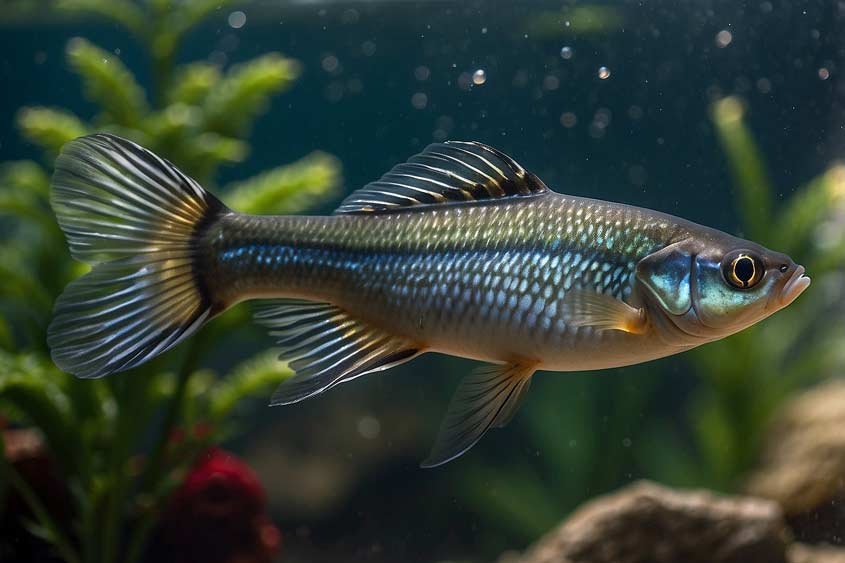
If there’s one thing that keeps aquarists endlessly fascinated, it’s watching Guppy Fish multiply. These tiny livebearers have a reputation for turning a modest starter tank into a miniature population explosion if left unchecked. But breeding isn’t the only aspect to consider—keeping guppies healthy is just as crucial. After all, vibrant colors and energetic swimming don’t happen by accident. Let’s explore both breeding and health in detail.
Understanding Guppy Reproduction
Guppies are livebearers, which means females give birth to fully formed fry instead of laying eggs. This makes breeding fast and relatively easy, but also a bit chaotic if you’re not prepared. Here’s what you need to know:
- Sexing guppies: Males are smaller, more colorful, and have a modified anal fin called a gonopodium. Females are larger, plainer in color, and rounder in the belly.
- Mating behavior: Males are persistent courters. They chase females and display their vibrant tails, performing an almost hypnotic dance.
- Gestation period: Around 21–30 days, depending on water temperature and conditions.
- Brood size: A single female can give birth to anywhere from 20 to 200 fry, depending on age and size.
Here’s a fun anecdote: I once had a female guppy who I thought was just “plump” from a hearty diet. One morning, dozens of tiny fry were darting between the plants. It was like a neon-colored confetti explosion in my 20-gallon tank. That’s the moment you realize why guppies are called prolific breeders.
Raising Fry Successfully
Adult guppies are notorious for eating their own babies, so if you want to see fry survive, planning is key.
Tips for raising fry:
- Breeding box or nursery tank: Isolates fry from adults while allowing water flow and proper oxygenation.
- Dense plants or moss: Give fry plenty of hiding spots if you don’t have a separate tank. Java moss is a classic choice.
- Food for fry: Infusoria, liquid fry food, baby brine shrimp, or finely crushed flake food. Feed small amounts multiple times a day.
- Water quality: Maintain pristine conditions; fry are more sensitive than adults.
Even with precautions, not all fry survive—and that’s perfectly natural. Nature is a bit harsh in miniature aquariums, but watching just a handful thrive is endlessly rewarding.
Common Health Issues and Prevention
Guppies are hardy, but neglect or poor conditions can lead to illness. Common problems include:
- Ich (White Spot Disease): Appears as tiny white spots on fins and body. Usually caused by stress or sudden temperature changes.
- Fin Rot: Fins fray and appear ragged. Often caused by bacterial infection or poor water quality.
- Velvet Disease: A golden, dusty coating that can be fatal if untreated.
- Swim Bladder Issues: Fish struggle to maintain buoyancy, sometimes caused by overfeeding or constipation.
- Fungal and bacterial infections: Cottony patches or sores on body or fins.
Prevention tips:
- Keep water clean and stable—test regularly for ammonia, nitrites, and nitrates.
- Avoid overcrowding; too many fish lead to stress and disease.
- Provide balanced nutrition, including vegetables, protein, and flakes.
- Quarantine new fish before adding them to the main tank.
A little preventative care goes a long way. I’ve had tanks with dozens of guppies for years, and illness is rare when water quality is consistent and feeding is varied.
Signs of Healthy Guppies
You’ll know your guppies are thriving when:
- Colors are bright and vivid, not faded.
- Swimming is active and fluid, with no lethargy or erratic movements.
- Fins are intact and open, not clamped or torn.
- They show interest in food and interact socially with other tank mates.
Observing subtle behavior is often the first clue something’s off. A normally curious guppy that hides or swims erratically might be stressed or unwell. Early detection is key to avoiding full-blown tank issues.
Treating Health Problems
Even with prevention, illnesses can occur. When they do:
- Isolate sick fish if possible, using a quarantine tank.
- Identify the issue carefully; don’t throw random medications into the main tank.
- Treat appropriately, following recommended dosages and protocols.
- Address root causes, like poor water quality or stress, to prevent recurrence.
A little patience goes a long way. Overmedicating or panicking can harm more fish than the disease itself. I’ve learned from experience that careful observation and methodical treatment usually solve most problems.
The Rewards of Healthy Breeding
When both breeding and health are managed well, guppies reward you with a dynamic, colorful, and lively aquarium. Adults flash their colors, fry explore new plants, and the social dynamics create a tiny ecosystem in motion. Watching it unfold is mesmerizing and endlessly satisfying.
In short, guppy breeding and health aren’t just about numbers—they’re about creating a thriving, living community in your tank. With attention to water quality, proper nutrition, and a little planning, you’ll enjoy vibrant, energetic fish that make every moment spent at the aquarium a joy.
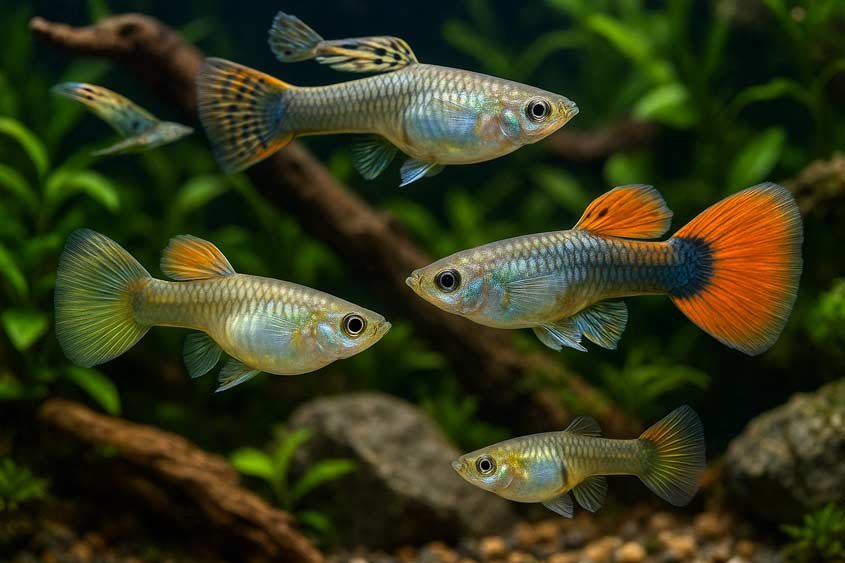
Why Guppy Fish Make Great Pets
After delving into the world of Guppy Fish—their origins, vibrant varieties, tank setup, feeding habits, and breeding—you begin to understand why these tiny swimmers have captured the hearts of aquarists worldwide. They’re more than just vibrant decoration in a tank; they’re lively, social, and endlessly fascinating creatures that respond to care, attention, and a well-balanced environment.
One of the most charming aspects of guppies is their unique personality. Males dart and perform their little underwater dances, females glide gracefully among plants, and fry, tiny as they are, dart around exploring their new world. Watching them interact can feel like peeking into a miniature tropical ecosystem, alive and constantly evolving right in your living room.
They’re also beginner-friendly, which is a big deal. Sure, they can breed like crazy and occasionally get sick, but with stable water conditions, a balanced diet, and thoughtful tank setup, they’re surprisingly resilient. You don’t need years of experience to enjoy the thrill of seeing a healthy, active guppy tank—though every day you spend observing them teaches you more about fish behavior and aquarium dynamics.
And let’s not forget their aesthetic appeal. From neon-colored tails to intricate patterns, guppies bring a splash of color and life to any space. But their value isn’t just skin-deep; it’s the little quirks, the subtle interactions, and the way they respond to you that make them truly rewarding.
In short, if you want a pet that’s lively, engaging, and full of personality without being overly demanding, guppies are hard to beat. They’re forgiving enough for beginners, dynamic enough for seasoned aquarists, and endlessly enjoyable to watch. With a bit of attention, care, and observation, your guppy tank becomes more than an aquarium—it becomes a tiny, colorful world that teaches patience, rewards curiosity, and adds joy to everyday life.
So, should you welcome Guppy Fish into your home? Absolutely. They’re vibrant, resilient, and full of personality—little aquatic companions that turn a simple tank into a living, breathing spectacle you’ll never stop watching.
Best Seller Products On Amazon*