A Home That Feels Like Freedom
Every bird keeper I’ve met, myself included, learns one truth sooner or later: a cage is never just a cage. It’s a world—your bird’s entire universe, where every inch of space and every choice you make shapes how they live. A proper bird cage setup is as much about psychology as it is about design. It’s where comfort meets curiosity, safety meets beauty, and practicality quietly holds it all together.
When I first brought home my cockatiel, Rio, I thought I’d done everything right. I’d bought a “large” cage, tossed in a few perches, a bell, a mirror, and called it done. Within a week, he was restless—climbing the bars, nipping the paint, and screaming at 6 a.m. The problem wasn’t Rio. It was his environment. He didn’t feel at home. That’s when I realized: you don’t buy a ready-made setup—you build one, layer by thoughtful layer.
Table of Contents
A true bird cage setup starts with empathy. You’ve got to imagine the world as your bird sees it. To a parakeet or a canary, every perch is a branch, every toy is a challenge, every corner is either a safe retreat or a stressful blind spot. A good setup gives them space to fly short distances, rest comfortably, and interact with their surroundings without feeling trapped. The goal isn’t to make the cage look impressive to humans—it’s to make it work for the bird that lives in it.
Thinking Beyond the Bars
Let’s talk structure. The cage itself is the foundation. A finch doesn’t need the same setup as an African grey, just like a goldfish doesn’t need the same tank as a turtle. Size, shape, bar spacing, material—they all matter. Birds need horizontal space for flying, not just vertical height. A long, wide cage encourages movement and wing stretching, while a tall, narrow one may look elegant but limits natural behavior.
And materials? Stainless steel reigns supreme for a reason. It’s durable, safe, and easy to clean. Powder-coated steel works too, as long as the coating is intact. Avoid cages with shiny zinc parts or cheap paints—birds chew, and heavy metals can build up in their systems. Think of it like setting up an apartment for a toddler who can fly and gnaw on metal—everything has to be tested for safety.
Comfort in Every Corner
Now, comfort. Birds are creatures of rhythm. They wake with the sun, nap in the afternoon, and tuck themselves quietly into their favorite perch by dusk. A good bird cage setup follows these rhythms. Place the cage in a bright area with natural light but away from direct sunlight or cold drafts. Your bird should see household activity but still have a sense of security—a corner or wall behind the cage helps with that.
Noise matters, too. Many birds thrive on interaction but despise chaos. Constant loud TV, shouting, or heavy foot traffic nearby can raise stress hormones. I’ve seen even resilient species like lovebirds start feather-plucking from overstimulation. Find the balance between inclusion and peace.
Inside the cage, comfort extends to layout. Perches at different heights give choices: a high perch for sleeping, a mid-level one for eating, and a lower area for play. Bowls should sit far enough apart to avoid contamination from droppings. Toys should hang so they don’t crowd movement. And never underestimate the importance of space for flight—even short bursts keep wings strong and hearts healthy.
Style Isn’t Superficial
A stylish bird cage setup doesn’t just please the eye—it keeps you engaged. If your setup feels beautiful, you’re more likely to maintain it, clean it, and spend time near it. I’ve seen people turn bird corners into art pieces: wooden stands draped with natural vines, hanging toys made from untreated coconut shells, even soft lighting that shifts with the day.
But style should never compromise safety. Skip glittery accessories or painted decorations inside the cage. Instead, use color through natural elements—like dyed wood perches (bird-safe dye only), rope toys, or a few bird-friendly plants nearby. Spider plants, bamboo palm, and Boston fern are safe options. Just keep them out of reach, because your bird will take a nibble if curious.
It’s also worth thinking about your own space. A large macaw cage might not fit in a small apartment, but a creative setup using vertical stands or wall-mounted play gyms can still provide freedom. Your goal is harmony: a space that feels natural to your bird and livable for you.
The Emotional Core of Design
Birds notice everything. They remember routines, voices, even where toys are placed. Change too much too quickly, and you’ll see hesitation. Introduce new items slowly—let them explore at their pace. A mirror, a bell, a swing—they’re not just toys; they’re social companions. Birds form attachments to their environment, and when it feels familiar, they thrive.
There’s also a bond in the setup process itself. Every perch you adjust, every toy you choose—it’s part of how you learn your bird’s personality. Some birds love mirrors; others find them stressful. Some love shredding paper toys, while others prefer puzzle feeders. The setup evolves as your relationship does.
One of my favorite setups belonged to a friend with two cockatiels, Luna and Jasper. Their cage looked like a mini aviary—branches at angles, a small coconut hideaway, hanging ropes between sections. You could tell immediately that the design came from observation, not impulse. Every piece had purpose, every placement was intentional. That’s what a perfect bird cage setup looks like: thought translated into habitat.
Creating a World, Not a Cage
A cage can either confine or comfort. The difference lies in how it’s designed. A cluttered, dark, or cramped setup tells the bird, “You’re stuck here.” A bright, varied, breathable one says, “You’re safe here.”
Think about it: in the wild, a budgerigar perches on gum tree branches, scanning wide open skies. In a home cage, the walls are closer, but the sense of openness can still exist—through space, light, and variety. Add branches that cross each other like tree limbs. Leave gaps wide enough for small flights. Use natural textures that feel familiar underfoot.
A well-designed bird cage setup respects a bird’s instincts: to explore, preen, forage, and rest. If all those needs are met, the cage becomes less of a prison and more of a sanctuary.
And maybe that’s the essence of bird keeping. You’re not trying to control your pet—you’re giving it a place to be itself, safely. The art of setup is really the art of empathy in design.
When your bird finally settles on a perch at sunset, fluffing its feathers, eyelids drooping in calm trust—that’s the quiet proof you got it right.
Choosing the Right Cage – Where Style Meets Safety
Choosing the right cage is the cornerstone of a good bird cage setup. It’s the difference between a restless bird and a relaxed one, between chaos and harmony. You can fill a cage with the best toys and treats, but if the structure itself isn’t right, everything else falls apart. A well-designed cage should feel like a safe world to your bird and a stylish, functional piece in your space.
When you start shopping, it’s easy to get distracted by pretty designs—polished metal finishes, ornate domes, and fancy stands. But looks come second. A safe cage is built around size, shape, materials, and function. Only then should style enter the conversation. Let’s break it down.
Size and Space: Freedom in Inches
There’s a saying among bird keepers: “No bird ever wished for a smaller cage.” It’s true. Birds live for movement, and the more room you give them, the more natural their behavior becomes. Flight, hopping, stretching, preening—these are daily needs, not luxuries.
A cage should be at least twice the bird’s wingspan in width and height. But that’s just a baseline. For active species like budgerigars or lovebirds, horizontal space matters more than vertical height—they fly side to side, not up and down.
General size guidelines:
- Finches, canaries: 24x18x24 inches minimum
- Cockatiels, conures: 24x24x30 inches minimum
- African greys, Amazons: 36x28x48 inches or larger
- Macaws, cockatoos: 48x36x60 inches minimum
If you can go bigger, always do. Birds rarely complain about too much space. And don’t forget the room around the cage. You’ll need enough clearance for cleaning, rearranging toys, and, most importantly, for your bird to stretch its wings outside safely.
Materials and Build Quality
Safety begins with what the cage is made of. Birds explore the world with their beaks, and that means they’ll nibble the bars, corners, and even the fasteners. Toxic materials are silent killers, and poor construction leads to accidents fast.
Best material choices:
- Stainless steel: The gold standard. Rust-free, easy to clean, completely non-toxic, and lasts for decades.
- Powder-coated steel: Affordable and attractive, but the coating must stay intact. Once chipped, it can expose metal and release toxins.
- Acrylic or glass panels: Great for modern looks or reducing mess, but only if ventilation is excellent.
Avoid cages made of zinc, brass, copper, or galvanized wire. Even small amounts of metal ingestion can lead to heavy metal poisoning, causing tremors, seizures, or death. It’s heartbreaking and preventable.
Build quality checklist:
- Bars should feel solid, not flexible when pressed.
- Welds must be smooth, with no sharp points.
- Latches should lock securely—especially for clever species like conures or cockatoos who learn to pick them.
- Gaps between bars should match your bird’s size. Too wide and heads get trapped; too narrow and feathers break.
Recommended bar spacing:
- Finches, canaries: 0.4–0.5 inches
- Parakeets, lovebirds: 0.5–0.6 inches
- Cockatiels, conures: 0.6–0.8 inches
- African greys, Amazons: 0.8–1 inch
- Macaws, cockatoos: 1–1.5 inches
These small measurements matter more than people realize. I once saw a lovebird lose a primary feather trying to squeeze through a slightly too-wide gap—it healed, but the stress could’ve been avoided with a different cage.
Shape and Structure: The Invisible Comfort
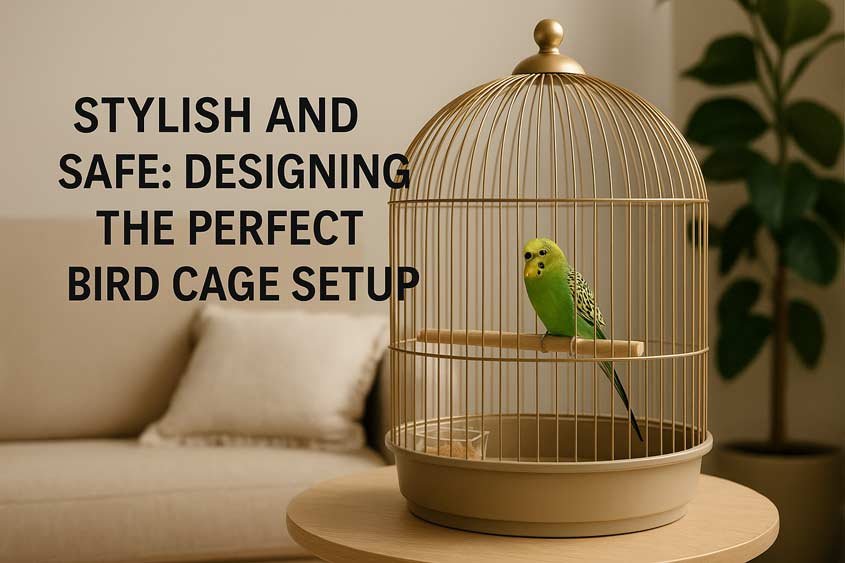
Square or rectangular cages always win. They provide predictable corners, easy cleaning, and a sense of orientation. Round cages, though common in pet stores, cause disorientation and anxiety. Birds use corners for security—without them, they never feel grounded.
Look for cages with horizontal bars on at least two sides. Birds climb using their beaks and feet, and vertical-only designs frustrate them. Some species like parrotlets or lovebirds love scaling the bars; it’s their daily workout.
Features to look for:
- Removable bottom tray for easy cleaning
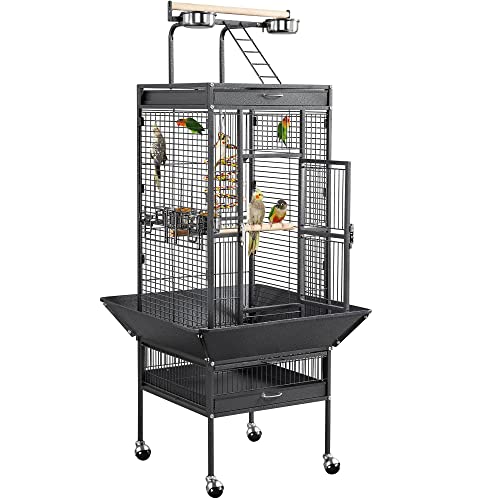
- Wide front doors for access
- Separate feeding doors (so your bird doesn’t dart out)
- Pull-out seed guards (optional but helpful for messy eaters)
And if you’re housing more than one bird, double the size and include extra feeding areas to prevent competition. Birds can be territorial when food’s involved.
Style and Room Harmony
Let’s be honest—no one wants a clunky metal cage ruining their living room. Thankfully, modern bird cage setups can be beautiful. Manufacturers now design minimalist or natural-style cages that blend into home décor instead of sticking out like lab equipment.
Choose a cage color that complements your room. Matte black, brushed silver, or natural white often pair well with furniture. Avoid overly shiny finishes—they reflect light harshly and may stress certain birds, especially cockatiels or parakeets, which can spook easily.
If you like a more organic feel, pair the cage with a natural wood stand or bamboo base. It softens the metallic look and creates a cozy, grounded aesthetic. Add subtle background decor: a wooden wall panel, a neutral cloth drape, or even a framed botanical print. Just make sure nothing flammable or toxic hangs too close.
Tips for blending the cage into your home:
- Choose neutral cage tones to match furniture.
- Use natural lighting rather than harsh spotlights.
- Keep the space around the cage tidy and free of clutter.
- Add nearby plants like pothos or parlor palm (out of reach) to bring life into the setup.
A beautiful cage corner doesn’t just please you—it calms your bird. A well-integrated environment signals safety and stability.
The Perfect Placement
Where you put the cage is as important as which one you buy. Birds are flock animals—they want to see and hear what’s happening but not feel trapped in chaos.
Best placement principles:
- Eye-level height: Birds feel secure when they can see you directly, not from above or below.
- Near activity, not in it: A corner of the living room or dining area is ideal. Avoid kitchens—fumes from nonstick cookware can be deadly.
- No drafts: Keep away from doors, air conditioners, or open windows.
- Natural light: Place near a window for sunlight exposure, but not in direct midday sun.
Think of it like choosing a spot for a roommate—they should be close enough to feel included, but with their own space to retreat.
Balancing Style and Safety
The magic lies in balance. You can have a cage that looks stunning and keeps your bird safe. It’s not one or the other. Picture a brushed-steel cage with natural wood perches, soft rope swings, and leafy greens in the background. It’s stylish but grounded in nature.
Avoid trendy setups that prioritize looks over function—like glass enclosures with poor airflow or painted bars that chip easily. Birds are delicate but resilient; they thrive in stable, breathable environments.
Your bird cage setup should make life easier for both of you. Easy access for cleaning, smart feeding ports, no sharp edges, no toxic finishes—and when you step back, it should look like it belongs in your home, not a pet shop display.
A Cage Worth Living In
At the end of the day, the right cage doesn’t just contain your bird—it supports their instincts. It gives them the freedom to be curious without danger, playful without chaos. Every measurement, every latch, every material choice matters.
Because when your cockatiel whistles happily from a perch, or your lovebird flutters between bars without fear, you’ll know you didn’t just buy a cage—you built a foundation for trust.
And that’s the first step to a truly perfect bird cage setup.
Crafting the Interior – Layout and Enrichment
Once the cage is right, the real fun begins—designing the interior. A cage isn’t just a place to sit; it’s a dynamic environment where birds eat, play, explore, and rest. A thoughtfully arranged interior makes the difference between a bored, stressed bird and a curious, happy one. A proper bird cage setup balances practicality, safety, and enrichment, turning the cage from a container into a world your bird wants to inhabit.
The Art of Placement: Levels and Zones
Birds love verticality, but they also need horizontal movement. Think of a cage as a three-dimensional playground. Divide the space into zones:
- Upper zone: Perches for resting and sleeping. Birds feel safer higher up.
- Middle zone: Feeding stations and interactive toys.
- Lower zone: Foraging, baths, and floor-based activity.
Spacing matters. Place perches so birds can move freely between them without hitting bars. Avoid cluttering the bottom with too many toys—birds need room for small flights. When I set up my conure, Kiwi, I arranged the perches in a slight zigzag pattern. It created natural flight paths and prevented boredom, and Kiwi loved hopping between levels like a kid on a jungle gym.
Perches: Variety for Health
Perches aren’t just places to stand—they’re exercise, grooming stations, and foot health tools. Birds need different textures and diameters to avoid pressure sores and strengthen muscles.
Recommended perch types:
- Natural wood branches: Apple, willow, and manzanita offer texture and natural wear for beaks.
- Rope perches: Flexible and fun for climbing, but inspect for fraying.
- Flat or textured perches: Perfect for resting without fatigue.
Mixing perch types encourages movement and reduces stress. For example, a lovebird hopping between a rope perch and a wooden branch experiences different grips, which is excellent for foot health.
Toys and Mental Stimulation
Birds are highly intelligent. Without mental stimulation, even a spacious cage becomes a prison. Toys keep birds active, curious, and prevent destructive behaviors like screaming or feather plucking.
Toys to include:
- Hanging bells or mirrors for parakeets
- Puzzle feeders for cockatoos or African greys
- Shredding toys for conures and parrotlets
- Swings and ropes for climbing and balance
Rotate toys weekly to maintain novelty. Birds quickly get bored of static objects. Foraging toys are particularly effective—they turn feeding into a rewarding challenge, simulating the natural process of hunting for seeds and insects.
Feeding Zones: Functional and Engaging
A proper feeding setup is more than bowls on the floor. Birds prefer bowls at mid-level where they can perch comfortably while eating. Avoid placing food directly under perches to prevent contamination from droppings.
Feeding tips:
- Use separate bowls for seeds, pellets, and fresh foods.
- Rotate fresh fruits and vegetables daily—parrots love carrots, spinach, and small apple slices.
- Consider hanging treat holders or puzzle feeders to encourage problem-solving.
Food should engage the bird mentally, not just physically. A canary nibbling on seeds from a puzzle feeder gets a sense of accomplishment, which reduces stress and encourages natural behaviors.
Environmental Enrichment: Texture, Sound, and Interaction
Enrichment extends beyond toys. Birds respond to a variety of sensory experiences: textures, sounds, and gentle social interactions. Simple additions can make a huge difference.
- Textures: Wooden blocks, paper shredders, rope ladders.
- Sounds: Gentle music or the sound of distant bird calls.
- Interaction: Short play sessions outside the cage with supervision.
Even small details, like a reflective surface positioned safely or a natural branch with tiny nooks, provide exploration opportunities. I’ve watched my cockatiel, Rio, spend hours investigating a cork ball toy, pecking at every crevice.
Safety in Interior Design
A beautiful, enriched cage is useless if it’s unsafe. Inspect every perch, toy, and accessory for sharp edges, loose parts, or toxic materials. Avoid painted or glittered surfaces, treated woods, and cheap plastics that can chip.
Safety checklist:
- Toys are large enough to avoid swallowing hazards.
- Perches are stable and secured.
- No gaps where feet, beaks, or wings can get caught.
Your bird should be free to explore without constant risk. Every element of your bird cage setup should support curiosity, not danger.
Creating a Living Space
At this stage, your cage is more than metal and wood—it’s a living environment. Birds should feel like they can retreat, play, eat, and rest without stress. Varying perch heights, rotating toys, and thoughtful feeding areas all contribute to a cage that feels natural, stimulating, and safe.
A well-crafted interior fosters natural behaviors. Birds stretch, climb, forage, and even socialize with each other if paired. That’s the beauty of a proper bird cage setup: it mimics life in the wild while keeping your pet protected, engaged, and thriving.
Lighting, Temperature, and Airflow
A truly comfortable bird cage setup isn’t just about perches and toys—it’s about the invisible factors that shape your bird’s daily life. Light, temperature, and airflow play huge roles in physical health, mental well-being, and overall behavior. Birds are highly sensitive to their environment; get these right, and your bird thrives. Neglect them, and even the most beautifully decorated cage can become a source of stress.
Natural Light: Following the Sun
Birds evolved to follow natural day-night cycles. Their bodies rely on sunlight to regulate sleep, digestion, and hormonal rhythms. In captivity, access to natural or full-spectrum light is crucial.
Direct sunlight through a window isn’t always enough. Glass filters UVB rays, which birds need for vitamin D3 synthesis. Lack of vitamin D3 leads to weakened bones and poor feather quality. A bird-safe full-spectrum bulb placed about 12 inches from the cage, on a timer for 10–12 hours daily, replicates natural daylight without overheating the bird.
Tips for light exposure:
- Position cages near a window for indirect sunlight.
- Avoid harsh midday sun that can overheat the cage.
- Use a timer for artificial light to maintain a consistent schedule.
Even subtle changes in lighting affect mood. I’ve noticed that my lovebird, Kiwi, becomes noticeably more playful under warm morning light compared to dim artificial lighting. Birds notice these nuances—light is part of their comfort.
Temperature: Keeping It Cozy
Most pet birds are comfortable in a range between 21–26°C (70–79°F). Temperatures outside this zone cause stress, illness, or behavioral changes. Small birds like finches are particularly sensitive to cold drafts, while larger parrots tolerate cooler environments better but still need stability.
Temperature management tips:
- Avoid placing cages near heaters, air conditioners, or vents.
- Keep cages away from cold drafts from windows or doors.
- In winter, consider a bird-safe space heater or warm room placement if needed.
Birds can’t sweat like we do—they overheat quickly. Aluminum or metal cages in direct sun can get dangerously hot. Even seemingly mild heat can cause panting, lethargy, or dehydration. Monitor your bird, and adjust lighting and cage placement accordingly.
Airflow: Breathing Easy
Good airflow is essential. Birds’ respiratory systems are extremely delicate; poor ventilation, dust, or airborne toxins can lead to serious illnesses like aspergillosis. A stagnant or overly dry environment stresses the immune system and weakens natural defenses.
Maintaining healthy airflow:
- Place the cage in a room with gentle air circulation but no strong drafts.
- Use a small HEPA air purifier to reduce dust and dander.
- Avoid scented candles, aerosol sprays, and Teflon-coated cookware in the same room.
Plants can also improve air quality naturally. Safe, out-of-reach options like spider plants, bamboo palm, or Boston fern filter the air without introducing toxins. Just make sure your bird can’t nibble on potentially harmful species.
Humidity Considerations
Humidity affects feather condition, skin health, and respiratory function. Most tropical birds, like cockatoos or conures, prefer moderate humidity (40–60%). If your home is too dry, especially during winter heating, consider using a humidifier or occasional gentle misting. Avoid spraying directly into the cage or creating puddles that can cause bacterial growth.
Noise and Environmental Stressors
Although not strictly part of airflow or lighting, ambient noise and environmental stability interact with these factors. A cage near a busy kitchen vent or constantly running appliance may seem minor, but it can amplify stress. Birds sense vibrations and noises that humans often ignore. Combining proper light, temperature, and airflow with a calm environment creates a sanctuary rather than just a cage.
Creating a Balanced Microclimate
A great bird cage setup harmonizes all these elements. The cage becomes more than a collection of perches and toys—it’s a microcosm of the bird’s ideal habitat. Light and temperature support daily routines; airflow and humidity prevent illness; placement ensures comfort and security.
When I arranged my African grey’s cage near a north-facing window with filtered morning light, gentle air circulation, and stable room temperature, I noticed immediate changes. Feather condition improved, playful behavior increased, and vocalizations became more varied and frequent. Birds respond to these invisible cues, sometimes more than to toys or decorations.
Cleaning and Ongoing Maintenance
A gorgeous bird cage setup can only remain healthy and functional if you maintain it consistently. Birds are tidy creatures by instinct, but their natural habits produce droppings, feathers, and leftover food that can quickly become breeding grounds for bacteria, mold, and parasites. Proper cleaning isn’t just about aesthetics—it’s about keeping your bird alive, happy, and stress-free.
Daily Routines: Small Habits, Big Impact
Daily maintenance doesn’t take long, but it prevents problems from snowballing. These are the basics you should tackle every single day:
- Replace food and water: Fresh water is crucial, and leftover seeds or wet veggies can harbor bacteria.
- Wipe perches and bars: Droppings accumulate fast on perches, especially near feeding areas. A quick wipe with a damp cloth keeps surfaces clean.
- Remove obvious mess: Check the bottom tray for seed husks, feathers, and droppings. Remove immediately to prevent odor and bacterial buildup.
Even spending just five minutes a day ensures your bird lives in a hygienic, safe environment. Birds can detect dirt and may avoid soiled perches or dishes, which disrupts their feeding and resting routines.
Weekly Deep Cleaning: Resetting the Cage
Once a week, your cage needs a full reset. This is when you remove everything—perches, toys, trays—and give them a thorough wash.
Steps for weekly cleaning:
- Remove all accessories and wash with warm water and mild, unscented soap.
- Rinse thoroughly to remove all soap residues.
- Dry items completely before replacing them in the cage.
- Clean the cage bars and corners using the same gentle soap or a bird-safe disinfectant.
Avoid bleach, ammonia, or harsh chemicals. Even trace residues can be toxic to sensitive birds like cockatiels or lovebirds. I once saw a parrot react badly to a scented cleaner; the stress and mild respiratory irritation lasted for days. Stick to safe products—it’s worth it.
Cage Liners and Bedding
The cage floor is a hotspot for bacteria and odor. Using liners or newspaper simplifies cleaning and lets you monitor droppings for signs of illness. Replace liners daily or every other day, depending on mess.
- Recommended materials: Newspaper, plain paper towels, or bird-safe disposable liners.
- Avoid: Scented paper, colored paper, and pine/cedar shavings, which release harmful oils or dust.
For bottom trays, a removable liner is ideal. It makes scraping away droppings or spilled food faster and prevents buildup that can harbor mold or parasites.
Maintenance of Toys and Perches
Toys and perches need inspection and care, too. Birds chew, shred, and tug, which can make even sturdy items dangerous over time.
Weekly checks should include:
- Frayed rope or shredded wooden toys—replace before they become choking hazards.
- Worn-out perches or splintered wood—swap them for smooth alternatives.
- Rusted metal parts—remove immediately.
Rotating toys isn’t just for boredom—it also helps maintain cleanliness. A rotation schedule lets you wash and dry toys properly before putting them back.
Long-Term Upkeep: Safety and Function
Beyond daily and weekly cleaning, periodic maintenance ensures the cage remains safe for years. Check locks, doors, and fasteners every month. Birds like African greys and conures are notorious for testing latches; a faulty door can lead to escapes or injuries.
Inspect bar spacing regularly. Metal can bend or warp over time, especially with strong beak chewers. Ensure nothing has sharp edges or peeling coating. Even subtle wear can lead to serious injuries.
For wooden stands or natural perches, apply food-safe mineral oil occasionally to prevent cracking and preserve durability. Small measures like this extend the life of your bird cage setup while keeping your pet safe.
The Psychological Benefit of Cleanliness
Cleanliness isn’t just physical—it affects your bird’s mood. Birds are sensitive to environmental cues. A tidy cage signals safety, allowing them to explore, preen, and play confidently. A dirty, cluttered cage can increase stress, lead to behavioral issues like screaming or feather-plucking, and even weaken immunity.
A well-maintained bird cage setup also benefits you. It reduces odors, simplifies feeding and playtime, and makes interaction with your bird more enjoyable. You’ll notice your parakeet hopping around happily, your cockatiel exploring toys, and your lovebird bathing without hesitation—all signs that the environment supports health and happiness.
Summary Checklist for Ongoing Maintenance
- Daily: Replace food and water, wipe perches, remove droppings.
- Weekly: Wash toys, perches, trays, and bars with safe soap; replace liners.
- Monthly: Inspect cage structure, locks, and bar spacing.
- Ongoing: Rotate toys, replace worn or unsafe items, maintain wooden accessories.
Regular maintenance is the backbone of a bird cage setup that’s both stylish and safe. Consistency prevents small issues from becoming dangerous and keeps your bird thriving.
The Joy of a Well-Designed Bird Home
After selecting the perfect cage, arranging perches, toys, and feeding stations, and maintaining light, temperature, and cleanliness, your bird cage setup reaches its full potential. This is the stage where everything comes together—a sanctuary where your bird can flourish and where you can enjoy a harmonious, stress-free companion. It’s the payoff for thoughtful planning and careful effort.
Creating Comfort Through Observation
A bird’s happiness is visible in small but unmistakable ways. They preen regularly, hop confidently from perch to perch, explore new toys with curiosity, and vocalize contentedly. Watching a canary stretch its wings fully or a cockatiel flap across a long perch without hesitation tells you that the setup supports natural behaviors.
Pay attention to preferences. Some birds love high perches near the cage roof, while others favor cozy corners. My lovebird, Kiwi, initially avoided the hanging rope swing I’d installed, preferring a wooden perch closer to the cage’s middle. After a week, she cautiously explored the swing on her terms—and now it’s one of her favorite play spots.
A well-designed interior combined with proper lighting, temperature, and airflow creates a space where birds feel confident to explore. Safety becomes invisible, comfort becomes intuitive, and enrichment becomes a daily delight.
Personal Style Meets Functionality
Your bird cage setup isn’t just functional—it reflects your taste and lifestyle. Whether you prefer sleek metal cages, natural wood aesthetics, or playful, colorful arrangements, style should harmonize with practicality. Birds are sensitive to environmental cues, but they don’t care if the swing matches your sofa. They care that it’s safe, stable, and interesting.
By blending style with function, you create an environment that’s enjoyable for both you and your bird. You’re more likely to interact with your pet, maintain the cage consistently, and adapt the setup over time. A visually pleasing cage becomes a point of pride and encourages deeper engagement.
The Emotional Bond
A thoughtfully arranged cage strengthens your bond with your bird. Birds perceive care and attention through their environment. Regularly refreshing toys, monitoring perches, and adjusting light or airflow signals that you’re attentive to their needs.
The payoff is behavioral and emotional. Birds become more interactive, playful, and affectionate. You notice subtle cues: a parakeet leaning against your hand, a cockatiel softly whistling a tune, or a lovebird mimicking sounds with curiosity rather than fear.
Creating a safe, stimulating, and comfortable habitat fosters trust and deepens the connection between human and bird.
Seasonal and Long-Term Considerations
A perfect bird cage setup evolves with time. Seasonal changes affect lighting, temperature, and humidity, so adjustments may be necessary. For instance, winter may require extra supplemental light or gentle heating, while summer demands careful shading to prevent overheating.
Long-term, you’ll learn what your bird prefers. Rotating toys, updating perches, and occasionally redesigning layout keeps the environment dynamic. Birds thrive on variation within a secure framework. Even small tweaks, like adding a new rope perch or rearranging a foraging toy, keep their environment mentally stimulating.
A Living Space, Not Just a Cage
Ultimately, the goal of a bird cage setup is to create a home that feels alive. A bird should not merely survive; it should thrive. Perches of varying textures, toys that challenge the mind, feeding stations that mimic natural foraging, proper lighting, stable temperature, clean surfaces, and fresh air—all combine to transform a cage into a sanctuary.
When you step back and watch your cockatiel flit between perches, preen contentedly, or interact playfully with toys, it’s clear: the cage is no longer a cage—it’s a home. It’s a space where instinct, comfort, and curiosity coexist harmoniously.
Closing Thoughts
Designing the perfect bird cage setup is an art and a science. It requires careful selection, thoughtful arrangement, daily attention, and continuous adaptation. Every perch, toy, and accessory contributes to a balanced, engaging, and safe environment.
A well-designed bird home reflects your commitment to your pet’s health and happiness. It provides freedom within structure, stimulation within safety, and beauty within function. When your feathered friend is thriving, exploring, and content, you experience the quiet joy of having created a home that meets both their needs and yours.And that’s the ultimate reward of a perfectly crafted bird cage setup: a happy, healthy bird and a space where life feels vibrant for both of you.
Best Seller Products On Amazon*